Detecting Heavy Metal Contamination in Seawater
Alphaion’s advanced screen-printed sensors enable real-time, on-site detection of toxic metals in seawater—empowering faster decisions, protecting marine ecosystems, and supporting sustainable ocean monitoring with cost-effective technology.
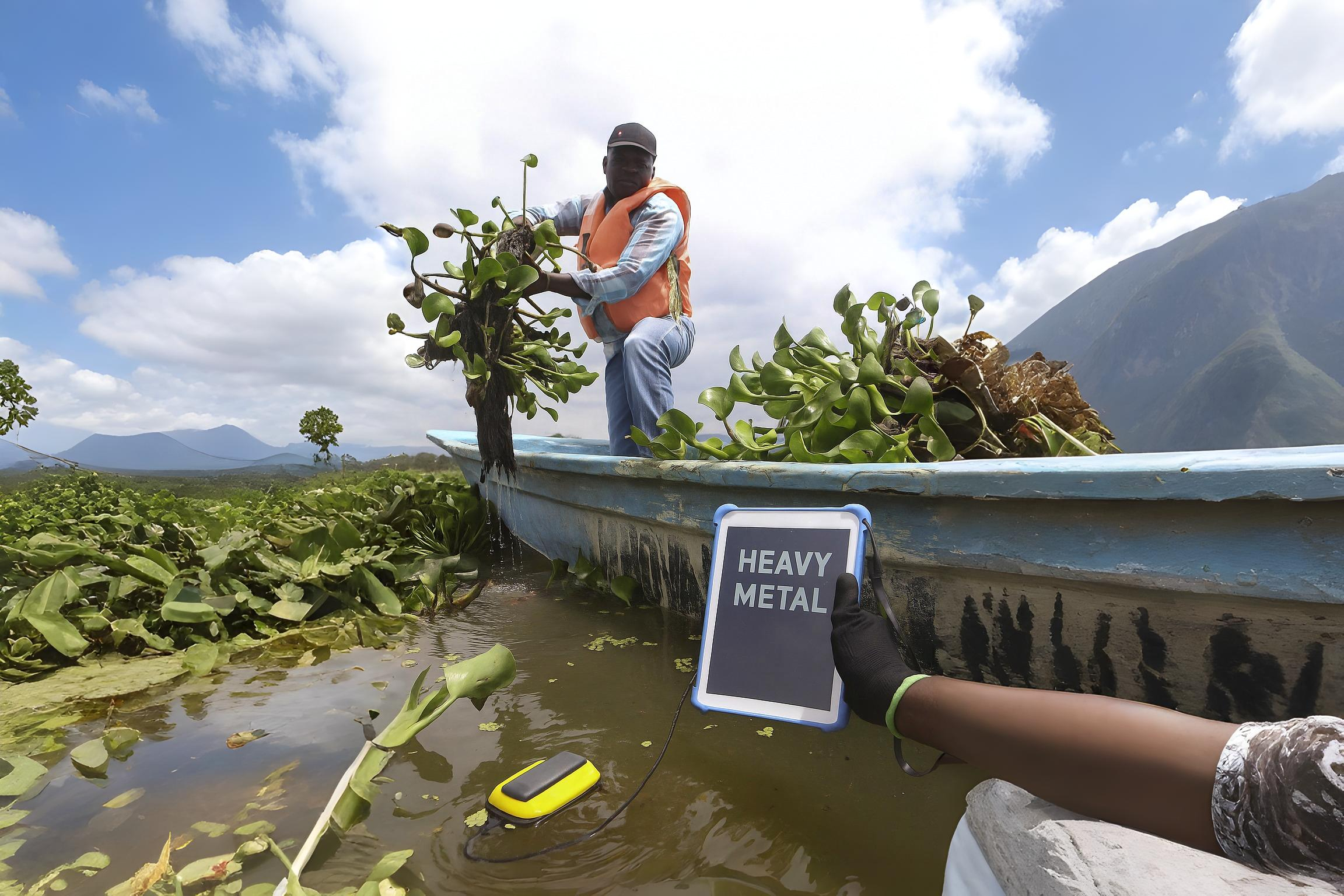
Heavy metals like mercury, lead, and cadmium threaten marine life and human health. These toxins accumulate in seafood and often go undetected. Screen-printed electrodes (SPEs) now offer a fast, low-cost solution for real-time, on-site detection—empowering timely response and better protection of our oceans.
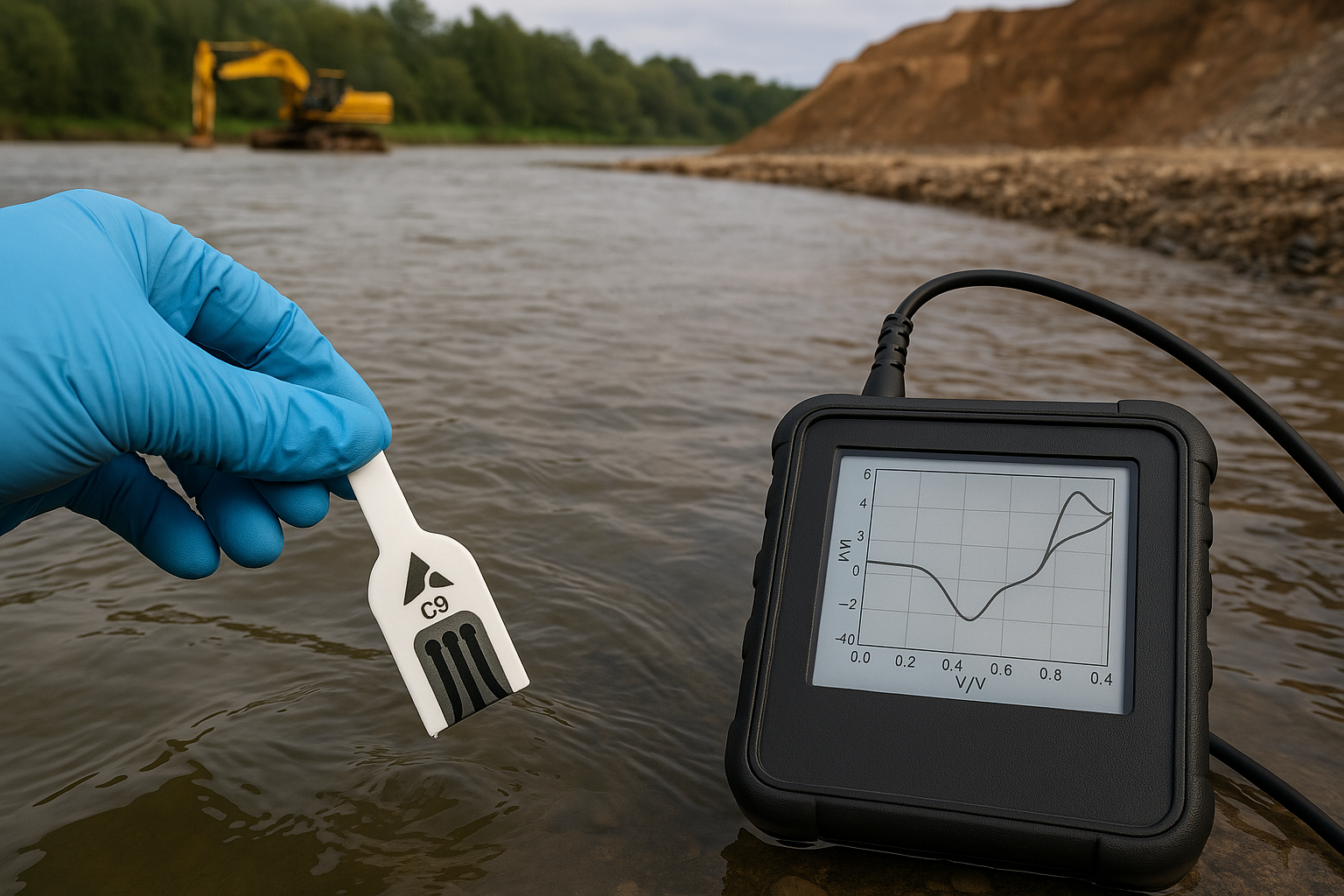
SPEs are compact, cost-effective sensors fabricated using printing technologies on flexible or ceramic substrates. They consist of a working electrode, a counter electrode, and a reference electrode. Modified with selective nanomaterials such as carbon nanotubes, gold nanoparticles, or metal oxides, they enable electrochemical detection of trace metals like mercury (Hg²⁺), lead (Pb²⁺), and cadmium (Cd²⁺).
These sensors employ techniques such as anodic stripping voltammetry (ASV) and differential pulse voltammetry (DPV) to provide high sensitivity and selectivity, even at parts-per-billion (ppb) levels. Their portability makes them ideal for in situ marine monitoring, reducing dependency on laboratory-based analysis and enabling quicker environmental decision-making.
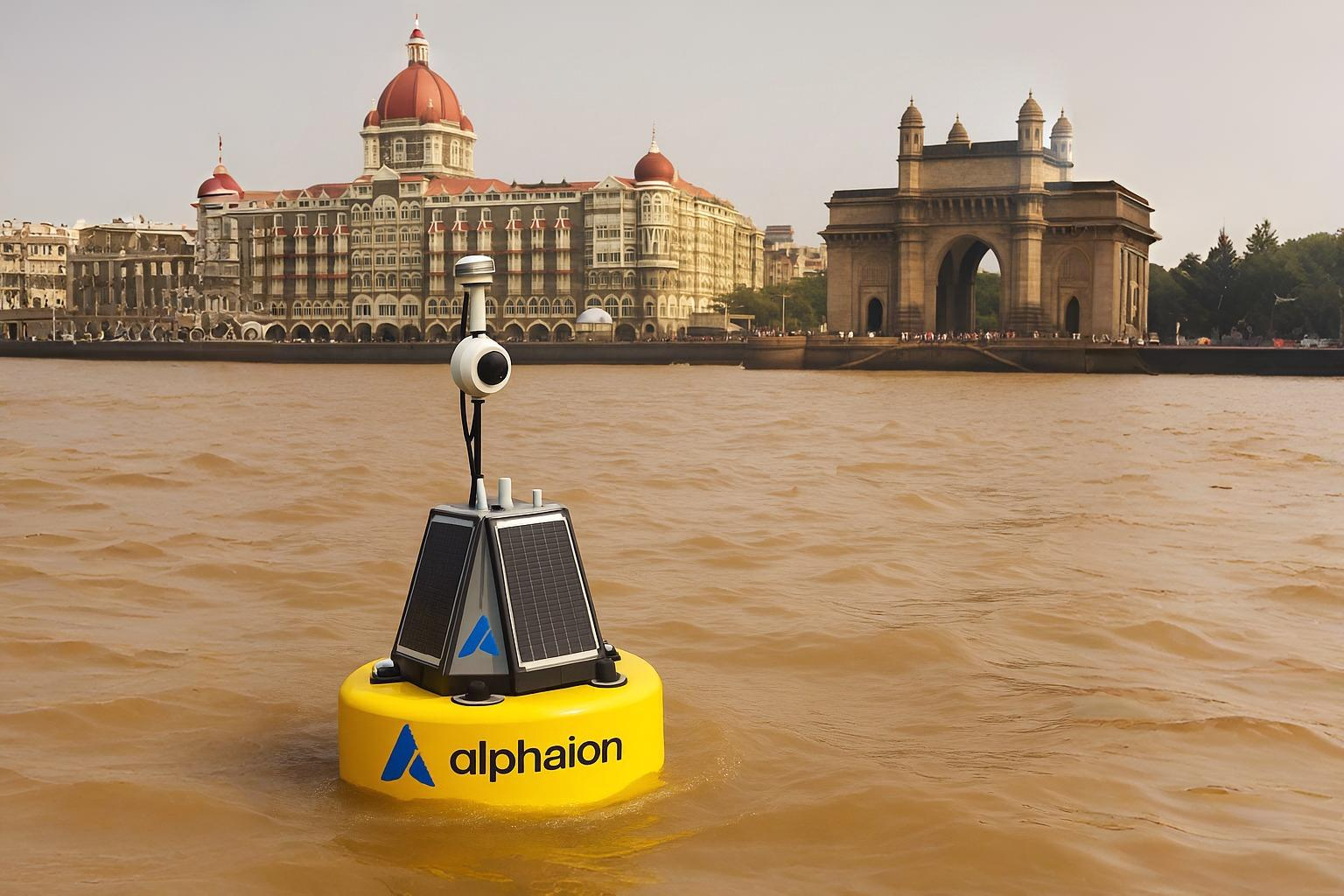
At Alphaion, we are advancing eco-friendly, printed sensor platforms tailored for challenging marine conditions. Our innovations integrate surface-modified electrodes and low-power electronics to enable real-time, on-site detection of heavy metals in seawater. By equipping coastal labs, marine researchers, and policy stakeholders with rapid, accurate tools, we’re helping to prevent ecological damage and support sustainable marine resource management.