Sensing the Future.

Cutting-edge electrode technology powering the next generation of analytical tools.

Sensors 1 min read

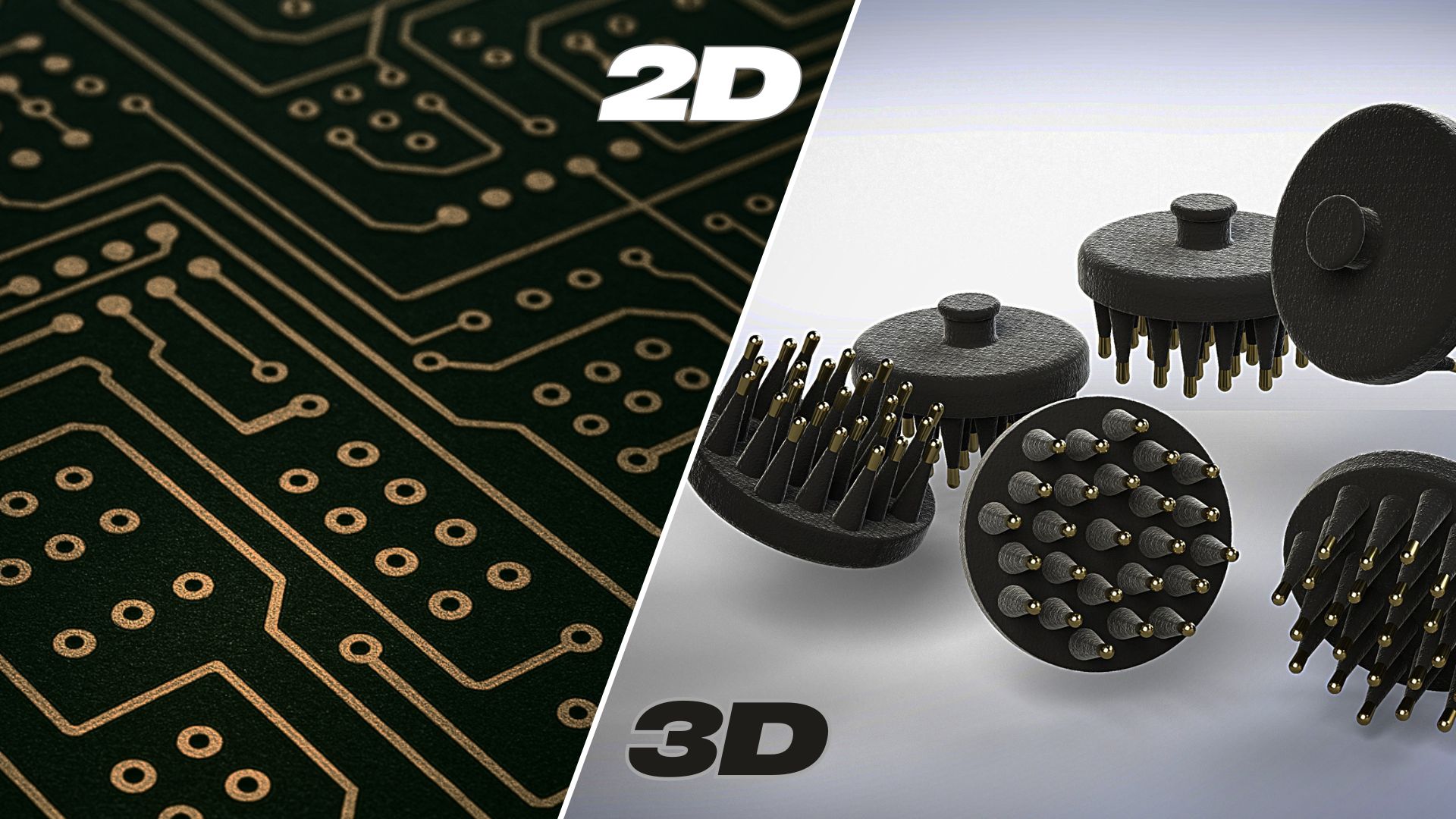
2D vs 3D Electrodes

2D printing is fast and affordable for simple visuals and disposable tech, while 3D printing offers flexibility and high performance for advanced, custom applications.
2D vs 3D Electrodes
  • Performance of Electrodes

2D printing is fast, affordable, and great for creating everyday tech like sensa-chips, simple, flat components with practical use. But when it comes to smarter, stronger, and more responsive devices, 3D printing shines. It builds detailed, high-performance electrodes for advanced tools like power-cells and bio-implants, designed with depth, care, and innovation.

  • Cost Effectiveness

Think of 2D printing as quick and budget-friendly, perfect for high-volume needs like basic sensors and printed electronics. 3D printing, while a bit pricier, offers creative freedom and functional beauty. It’s ideal for projects that require precision, personalization, and performance, like modern batteries, smart wearables, or custom medical tools.

  • Use-Case Comparison

2D printing gives you clean, flat visuals great for floor plans, diagrams, and info sheets. It’s simple, efficient, and gets the job done. 3D printing, however, brings ideas to life. From lifelike models to immersive prototypes, it adds shape, feel, and experience perfect when you want your ideas to truly stand out.

You Might Also Like

Explore more insights and innovations

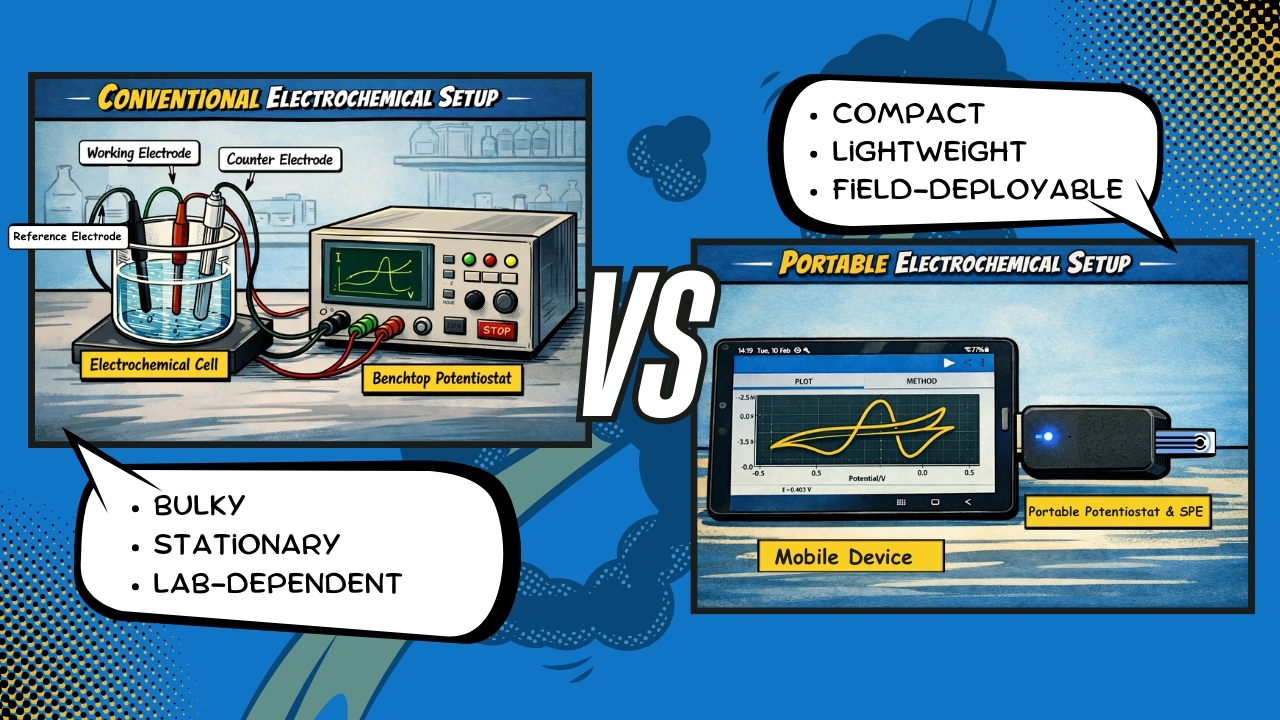
Evolution of Electrochemical Sensing Method
Sensors

Evolution of Electrochemical Sensing Method

Electrochemical sensing has evolved from complex laboratory-based systems to compact, portable technologies that enable rapid and accurate chemical analysis. This blog explores the fundamentals of electrochemical sensing, the transition from conventional setups to screen-printed electrode–based portable systems, and how modern designs are shaping real-world applications.

HOW BIOFLUIDS WORK AS DATASET?
Sensors

HOW BIOFLUIDS WORK AS DATASET?

Biofluids such as sweat, saliva, and urine carry continuous signals about the body’s health. With Alphaion’s electrochemical platform, these signals are easily captured and transformed into clear, actionable insights—enabling innovators to focus on chemistry while delivering simple, non-invasive, and personalized health monitoring.

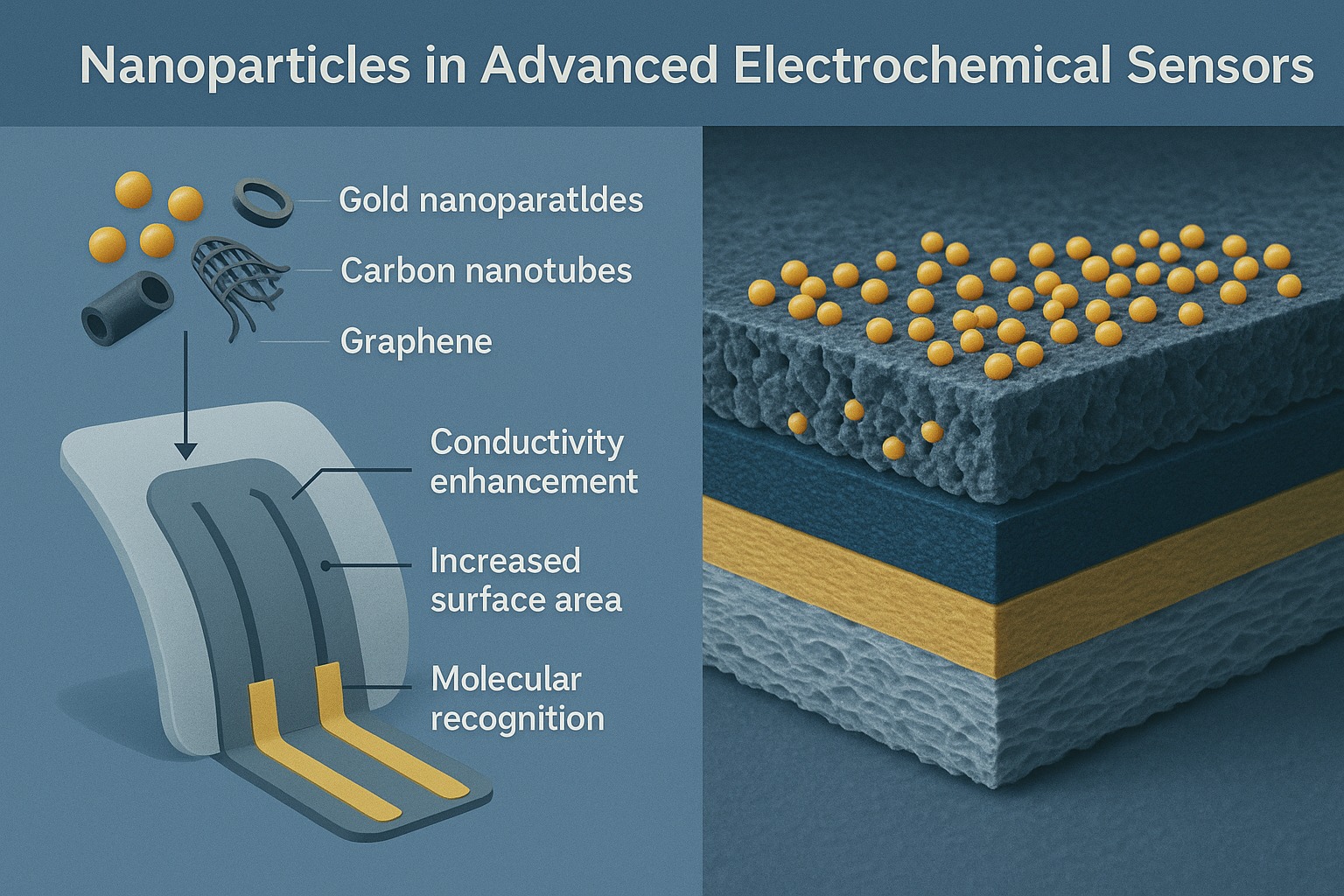
Promise vs. Hype: The Role of Nanomaterials in Electrochemical Sensing
Sensors

Promise vs. Hype: The Role of Nanomaterials in Electrochemical Sensing

Nanomaterials enable highly sensitive, flexible electrochemical sensors, but real-world success hinges on scalability and durability. Alphaion bridges this gap with printable, wearable platforms for clinical and industrial applications.

Alphaion Footer with Floating SVG Animation

Certified by

Certified by

© Alphaion. All rights reserved.