Real-time Soil Nutrient Monitoring: The Future of Precision Farming
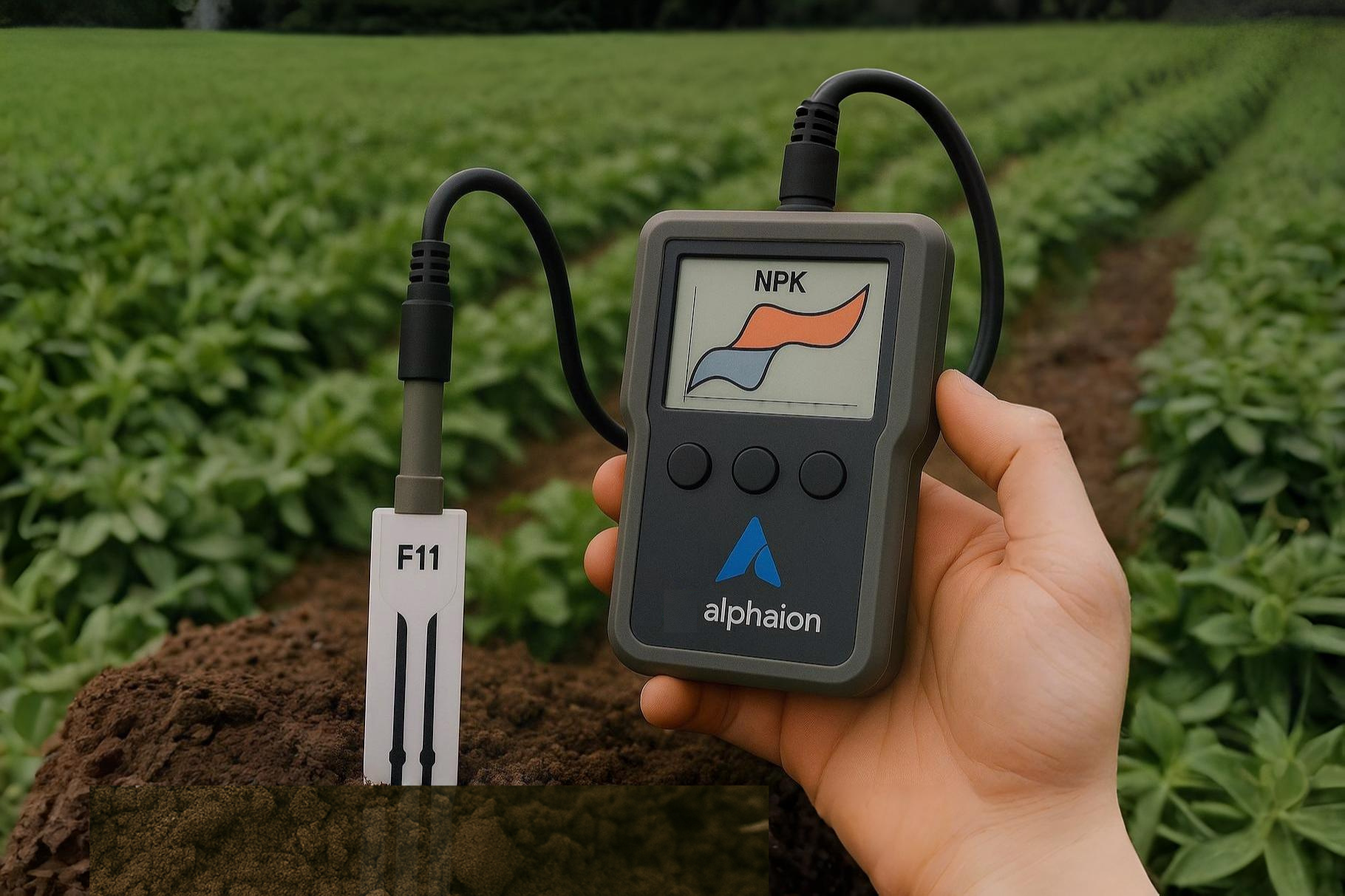
Alphaion's precision sensors transform agri-solutions, enabling real-time soil nutrient monitoring for sustainable, data-driven farming.
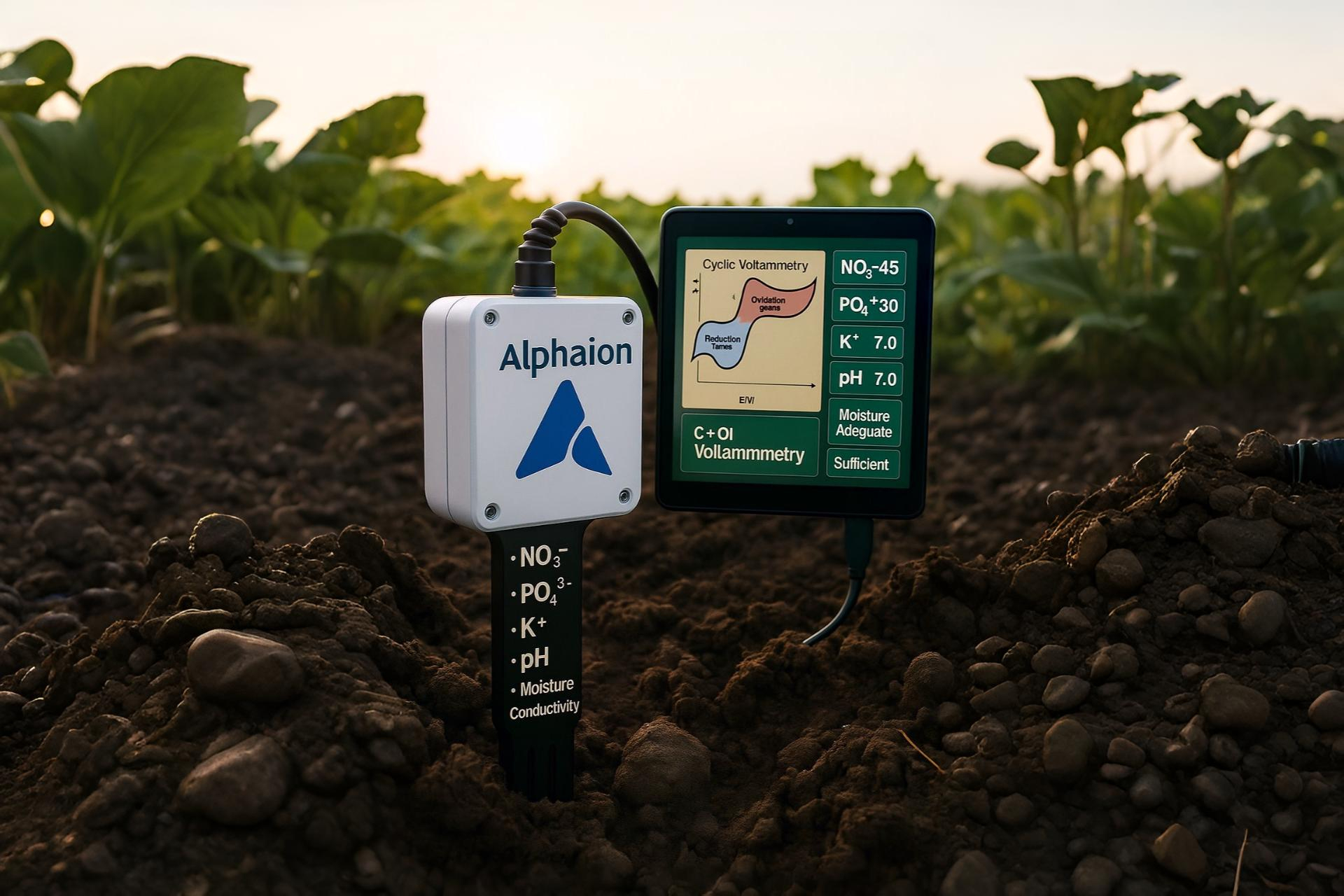
Real-time soil nutrient monitoring blends technology and nature into a seamless dialogue. Using smart sensors, IoT connectivity, and live analytics, it unveils the hidden rhythms of the soil, offering farmers an elegant, precise, and sustainable way to nourish crops while preserving the earth’s natural harmony.
The system uses ion-selective sensors and electrochemical transducers for real-time soil nutrient analysis. Current developments emphasize spatial mapping of nutrient distribution. Future integration with IoT and AI will enable site-specific fertilization, minimizing nutrient waste and promoting sustainable agriculture.. This reduces nutrient waste, improves uptake, and builds a smarter, more sustainable farming ecosystem.
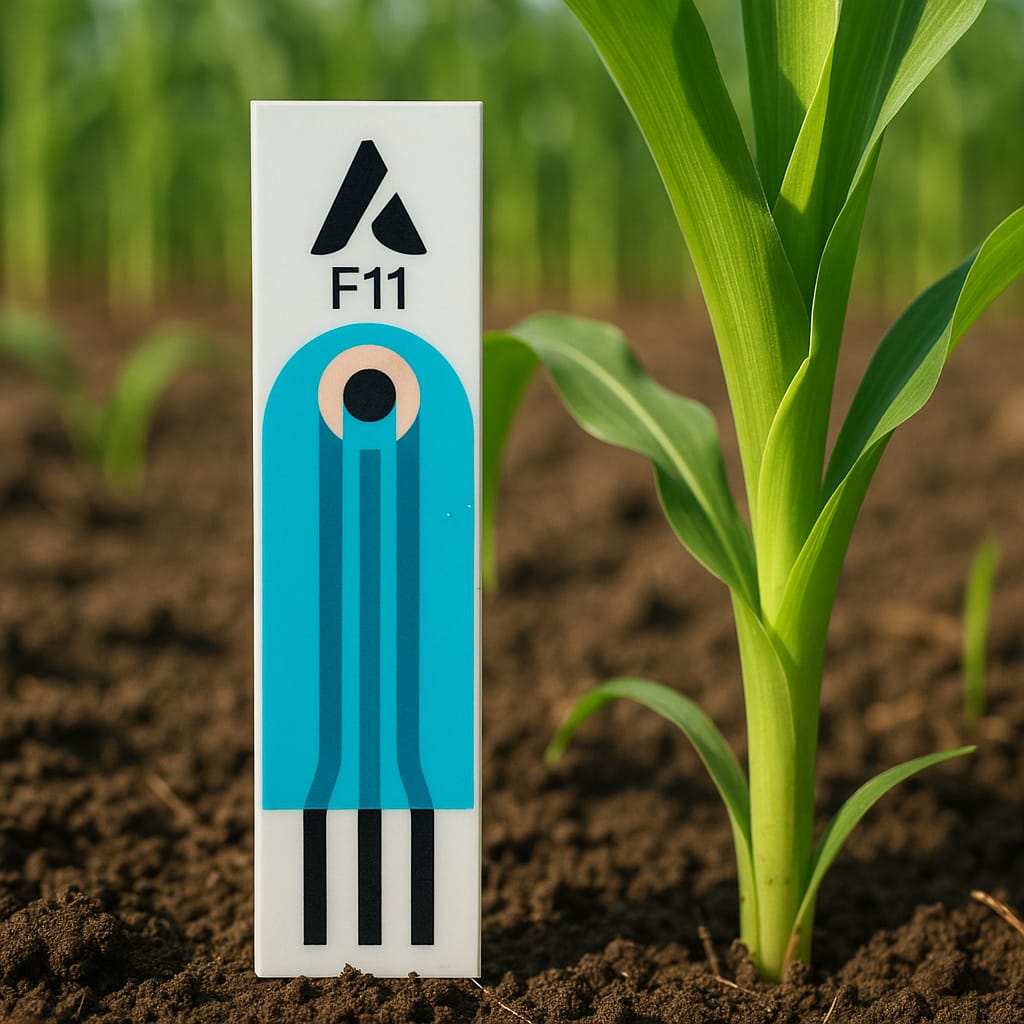
Real-time soil nutrient monitoring redefines farming through data-driven precision and sensor intelligence. Innovators like Alphaion enhance this shift with scalable, printed sensors that deliver high-sensitivity, real-time insights from the soil. This is the future of agriculture—smart, efficient, and rooted in knowledge, where every decision cultivates sustainability and growth.
Explore how Alphaion’s precision sensors can transform your agri-solutions. Contact us to learn more