Module 1 · Part 1
Module 1: CHAPTER 1 HEALTHCARE
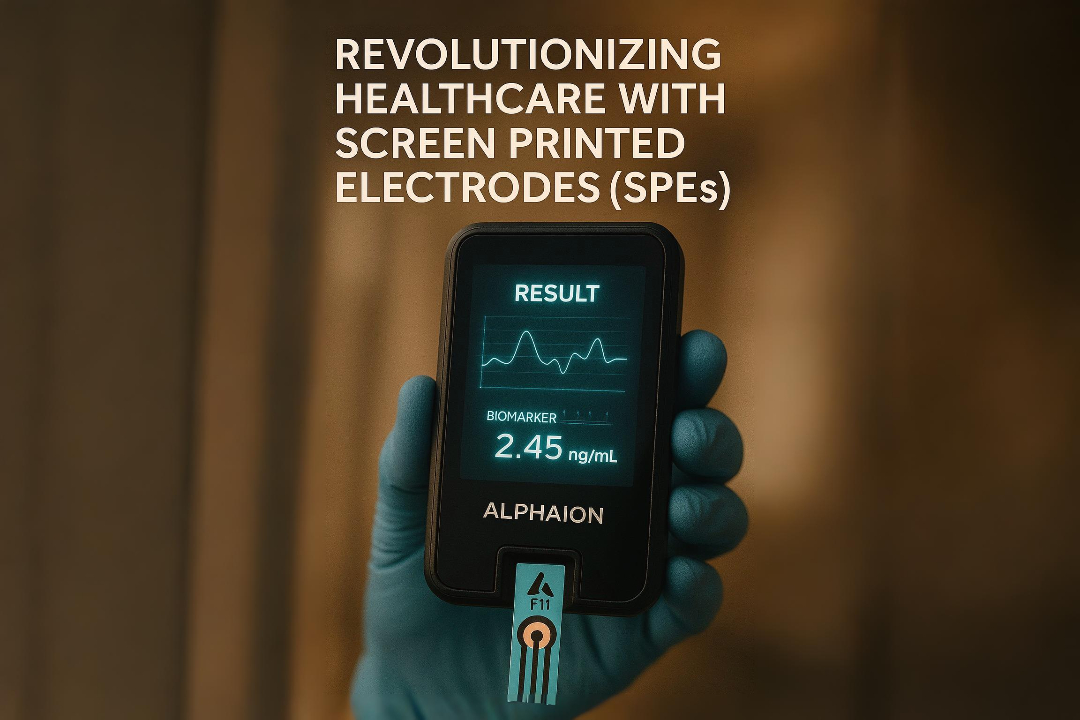
How Screen Printed Electrodes Are Reshaping Diagnostics
Discover how screen printed electrodes are enabling faster, cheaper, and more accessible diagnostic tools across the globe.
Module 1 · Part 2
Module 1: CHAPTER 1 HEALTHCARE
Screen-Printed Electrodes in Health & Diagnostics: ALPHAION’s Contribution
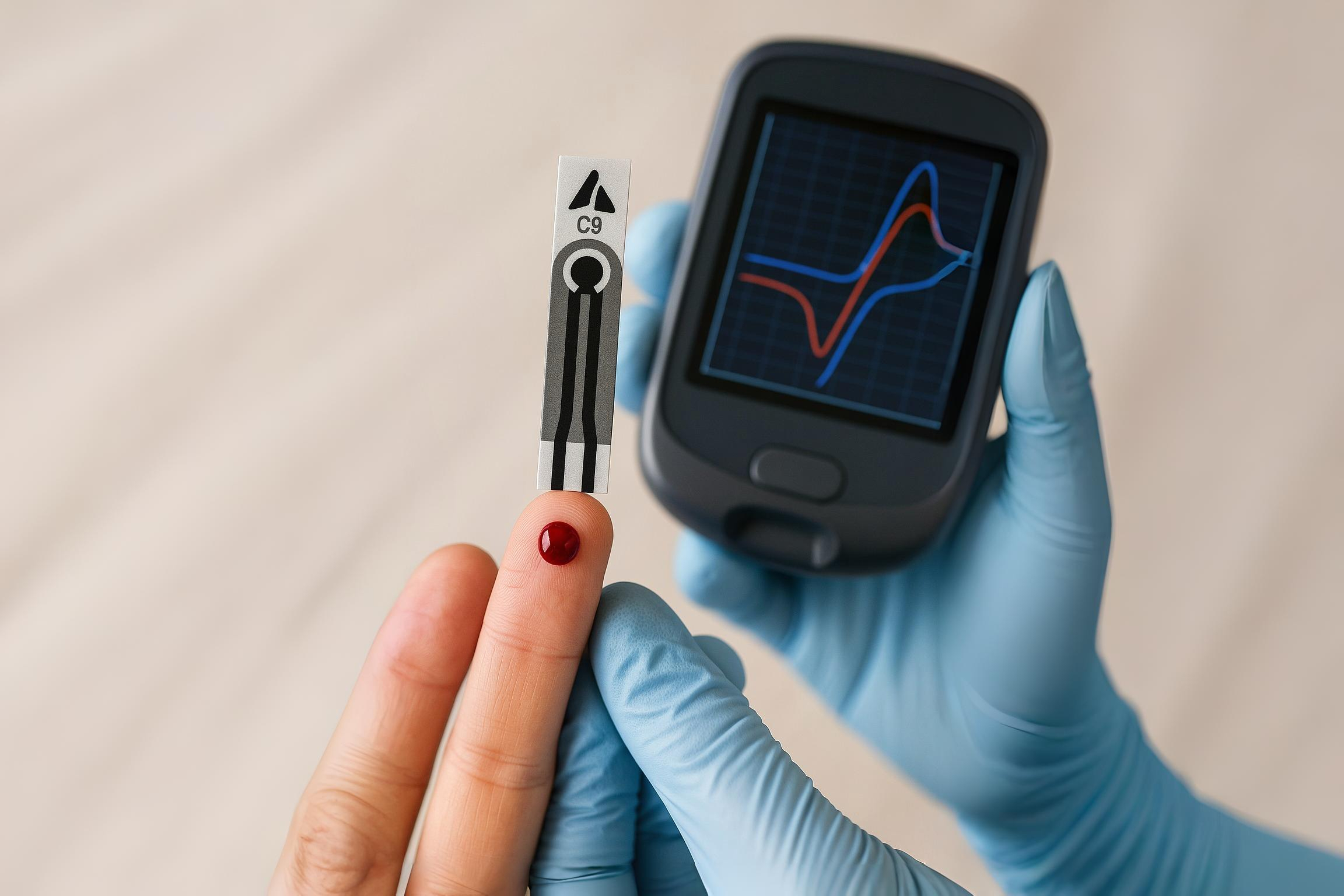
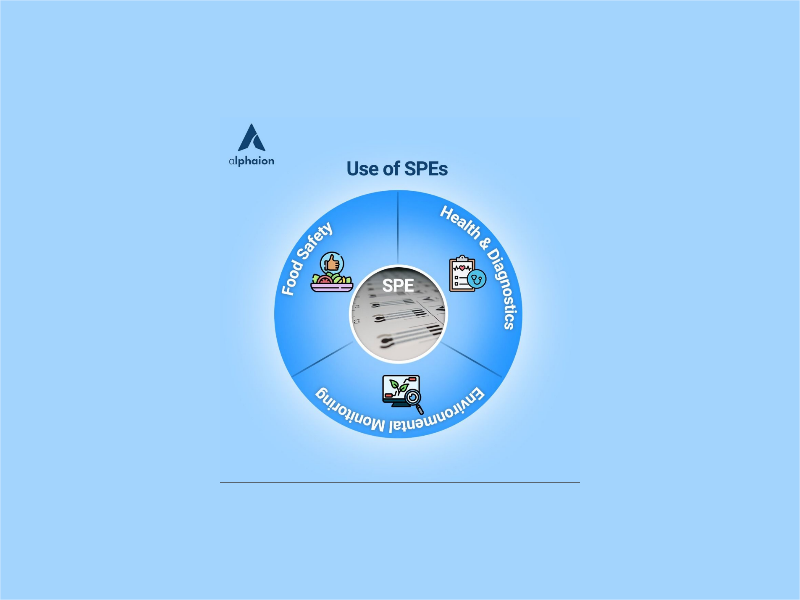
Screen-printed electrodes (SPEs) have revolutionized healthcare and diagnostics by enabling cost-
effective, rapid, and portable electrochemical sensing solutions. These electrodes facilitate real-time
detection of biomarkers, pathogens, metabolites, and disease-related compounds, playing a crucial
role in early disease diagnosis and personalized medicine.
Module 2 · Part 1
Module 2: Module 2
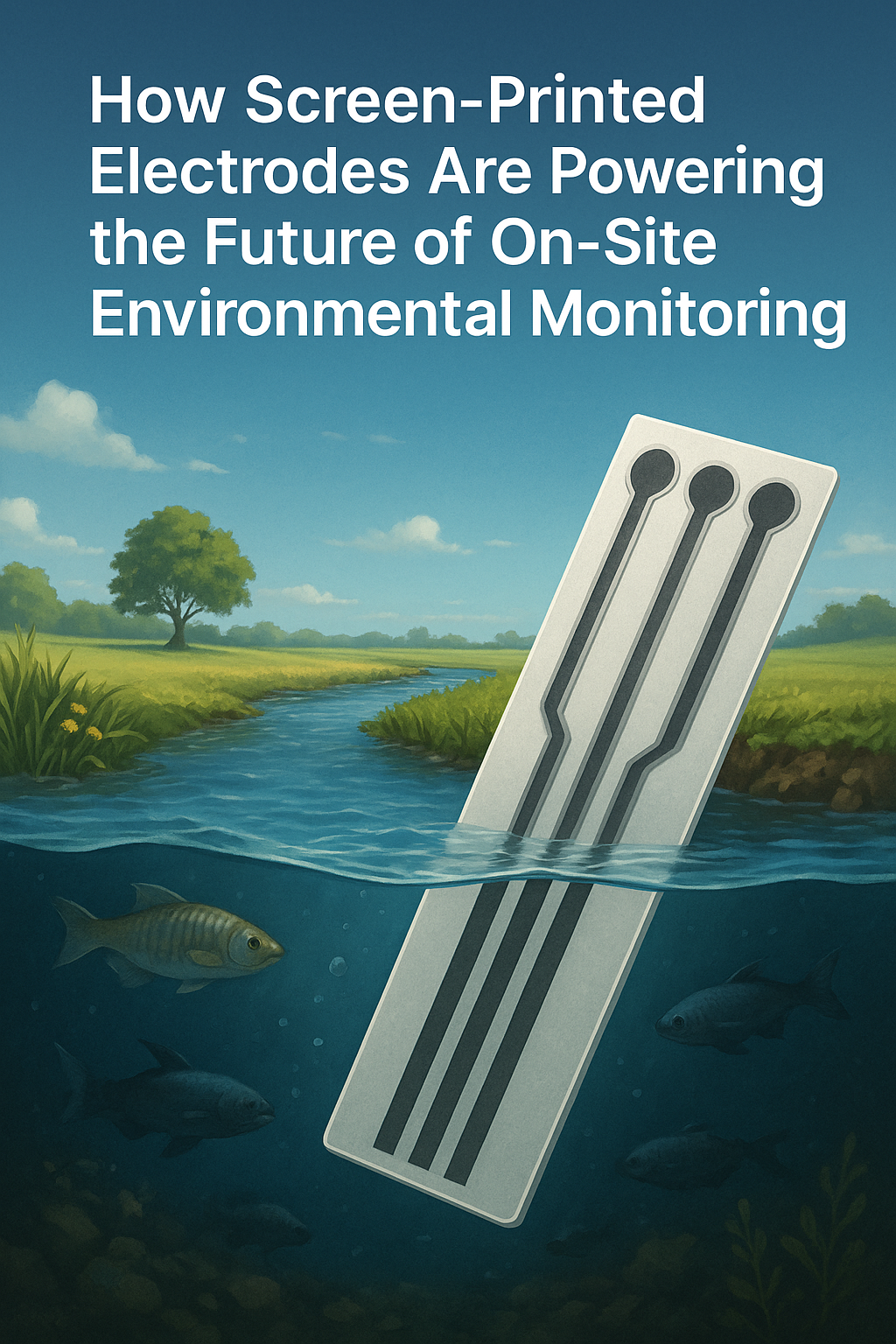
Screen-Printed Electrodes Powering the Future of On-Site Environmental Monitoring
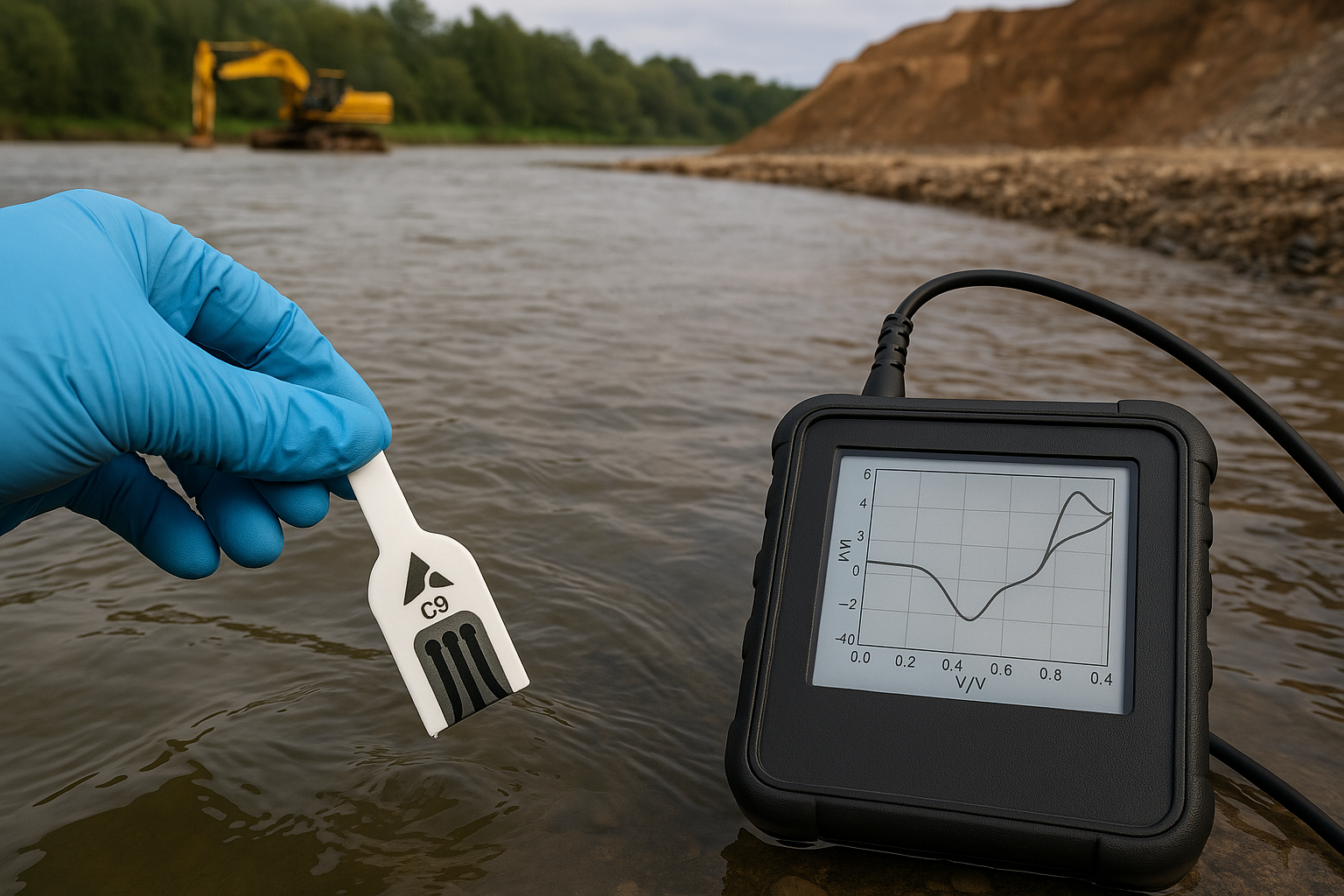
In a world where clean water, fertile soil, and sustainable ecosystems are becoming non-negotiable, the demand for rapid, reliable, and field-ready sensing solutions is skyrocketing. Traditional lab-based analysis—while accurate—is often slow, expensive, and inaccessible in remote or rural regions.
Module 3 · Part 1
Module 3: Module 3
Screen-Printed Electrodes in Food Safety
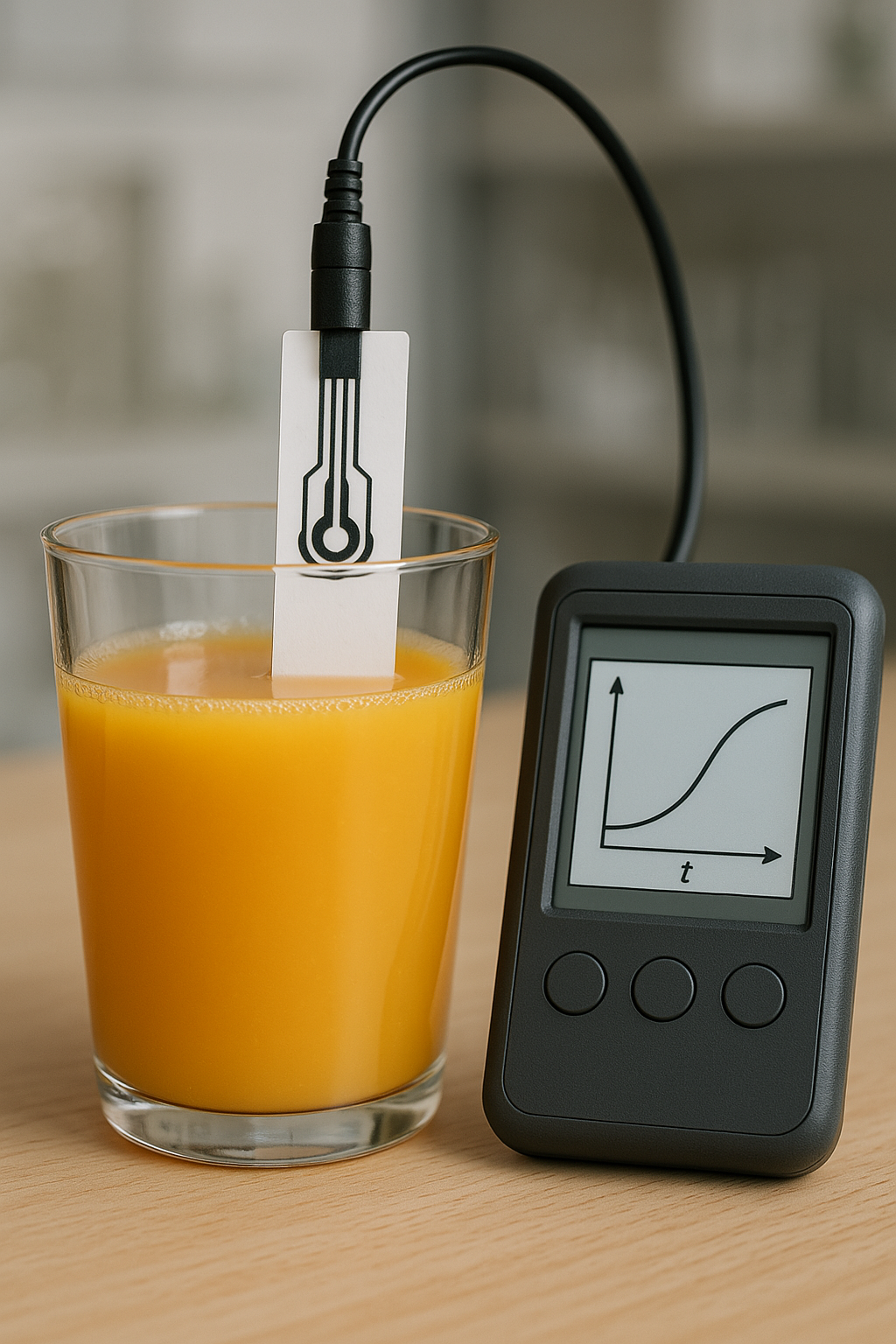
Screen-printed electrodes (SPEs) have emerged as powerful electrochemical sensing platforms in
food safety, offering cost-effective, rapid, and portable detection solutions. These electrodes,
fabricated with conductive inks on various substrates, enable the development of scalable and
adaptable sensors for food quality control.
Module 4 · Part 1
Module 4: Module 4
Screen-Printed Electrodes in Marine Biotechnology
Screen-printed electrodes (SPEs) have emerged as cost-effective and versatile electrochemical sensing platforms in marine biotechnology. Fabricated using conductive inks on various substrates,
they enable scalable and adaptable sensor development for environmental monitoring.
Module 5 · Part 1
Module 5: Module 5
Screen Printed Electrodes (SPEs)
Imagine a tiny, powerful tool revolutionizing science and technology screen-printed electrodes (SPEs)!

Module 6 · Part 1
Module 6: Module 6
How does ALPHAION lead the way?
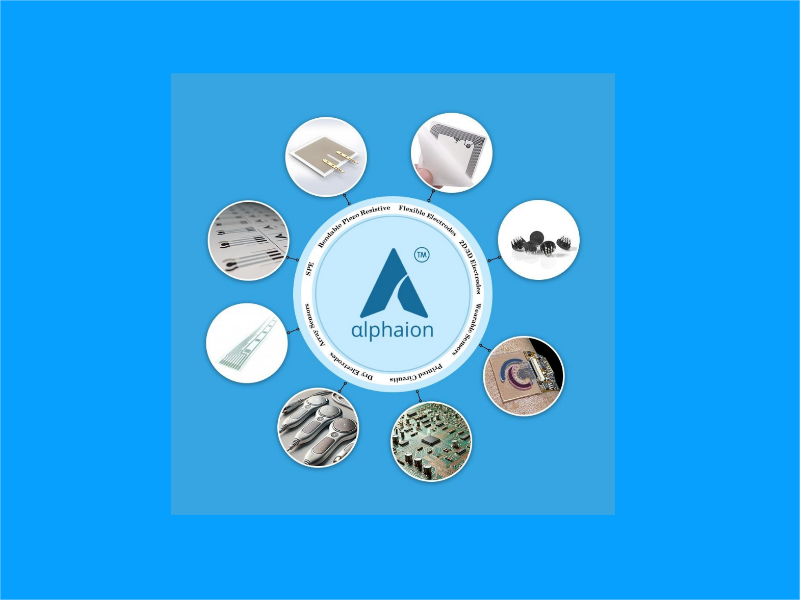
ALPHAION is taking screen-printed electrodes to new heights. Through cutting-edge technology, creativity, and rigorous research, ALPHAION creates high-performance SPEs for many sectors.
Module 7 · Part 1
Module 7: Module 7
SPEs the Future?
Affordable: Low-cost and mass-produced for real-world impact.
Portable: Small, lightweight, and ready for on-the-go applic
Module 8 · Part 1
Module 8: Module 8
Screen-Printed Electrodes in Agriculture
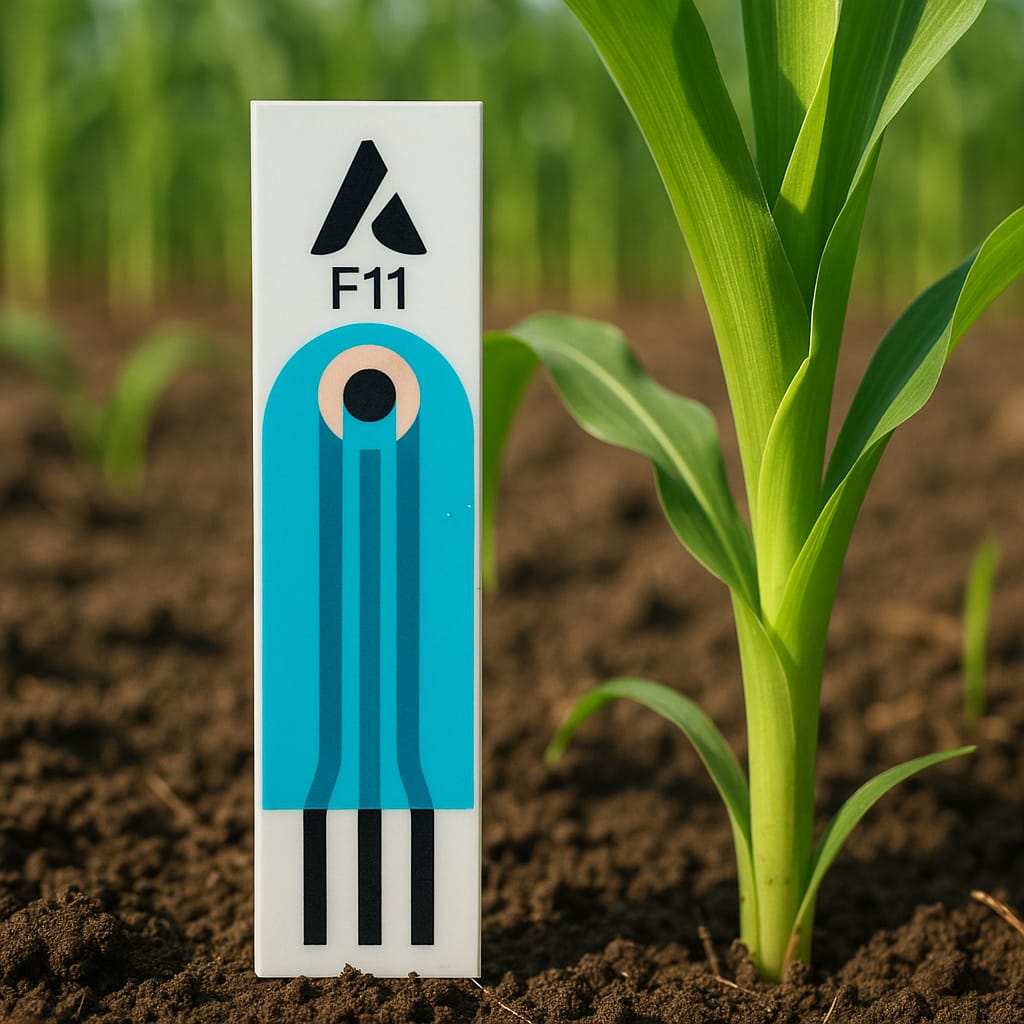
SPEs are widely used in the fabrication of sensing devices to detect critical parameters such as soil
pH, nutrient levels, and contaminants like heavy metals or pesticides. By enabling real-time and on-site monitoring, they provide actionable insights for optimizing crop health and productivity. For instance, sensors utilizing SPEs can identify nutrient deficiencies, allowing for targeted fertilization and reducing environmental impact.
Module 9 · Part 1
Module 9: Module 9
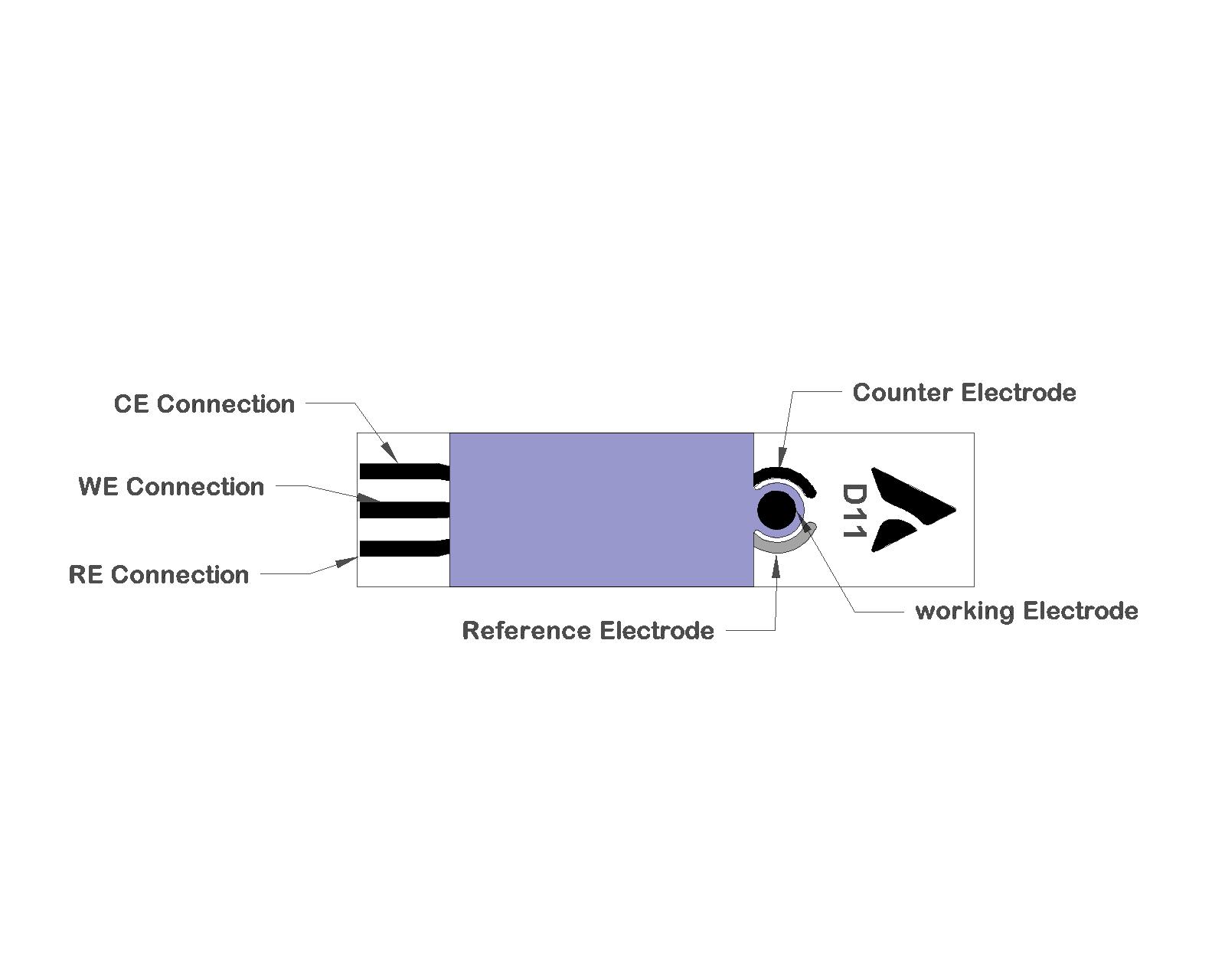
Understanding Screen-Printed Electrodes
Screen-printed electrodes enable low-cost, customizable sensing and energy solutions using conductive inks on durable substrates for diverse applications.
Module 10 · Part 1
Module 10: Module 10
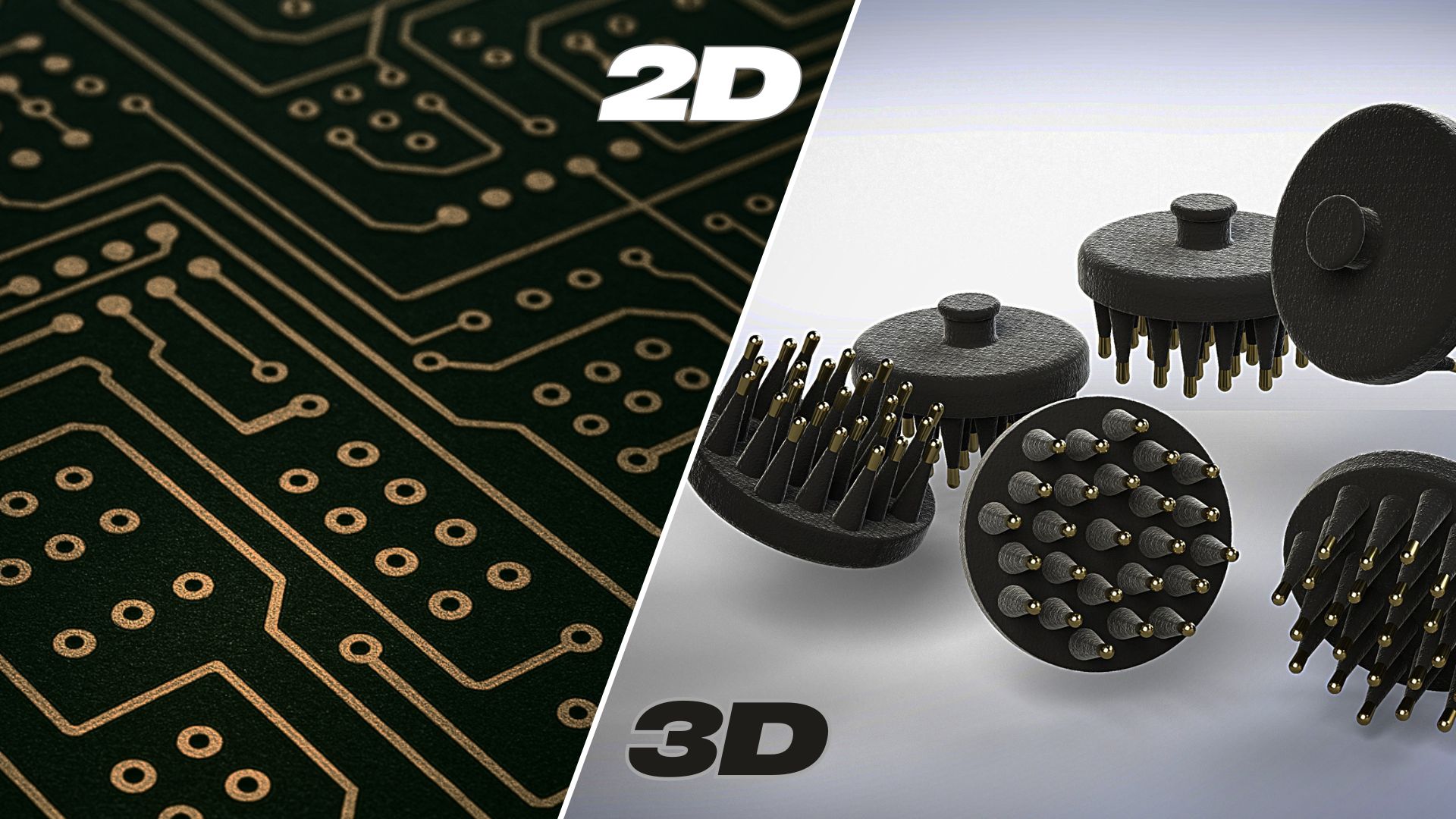
2D vs 3D Electrodes
2D printing is fast and affordable for simple visuals and disposable tech, while 3D printing offers flexibility and high performance for advanced, custom applications.
Module 11 · Part 1
Module 11: Module 11
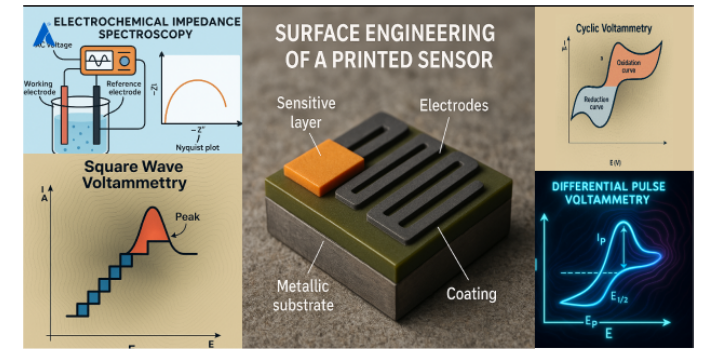
Electrochemical Techniques Decoded: From Redox Rhythms to Sensor Precision
Electrochemical sensing unveils molecular stories, precision pulses decode reactions, while engineered surfaces deliver unmatched sensitivity, selectivity, and smart detection.

Module 12 · Part 1
Module 12: Module 12
Flexible Electronics: How Printed Sensors are Changing Wearable Devices
Flexible printed sensors are transforming wearables into smart, skin-integrated systems. Led by Alphaion, these ultra-thin, AI-ready sensors deliver real-time, medical-grade monitoring in comfortable, scalable formats.
Module 13 · Part 1
Module 13: Module 13
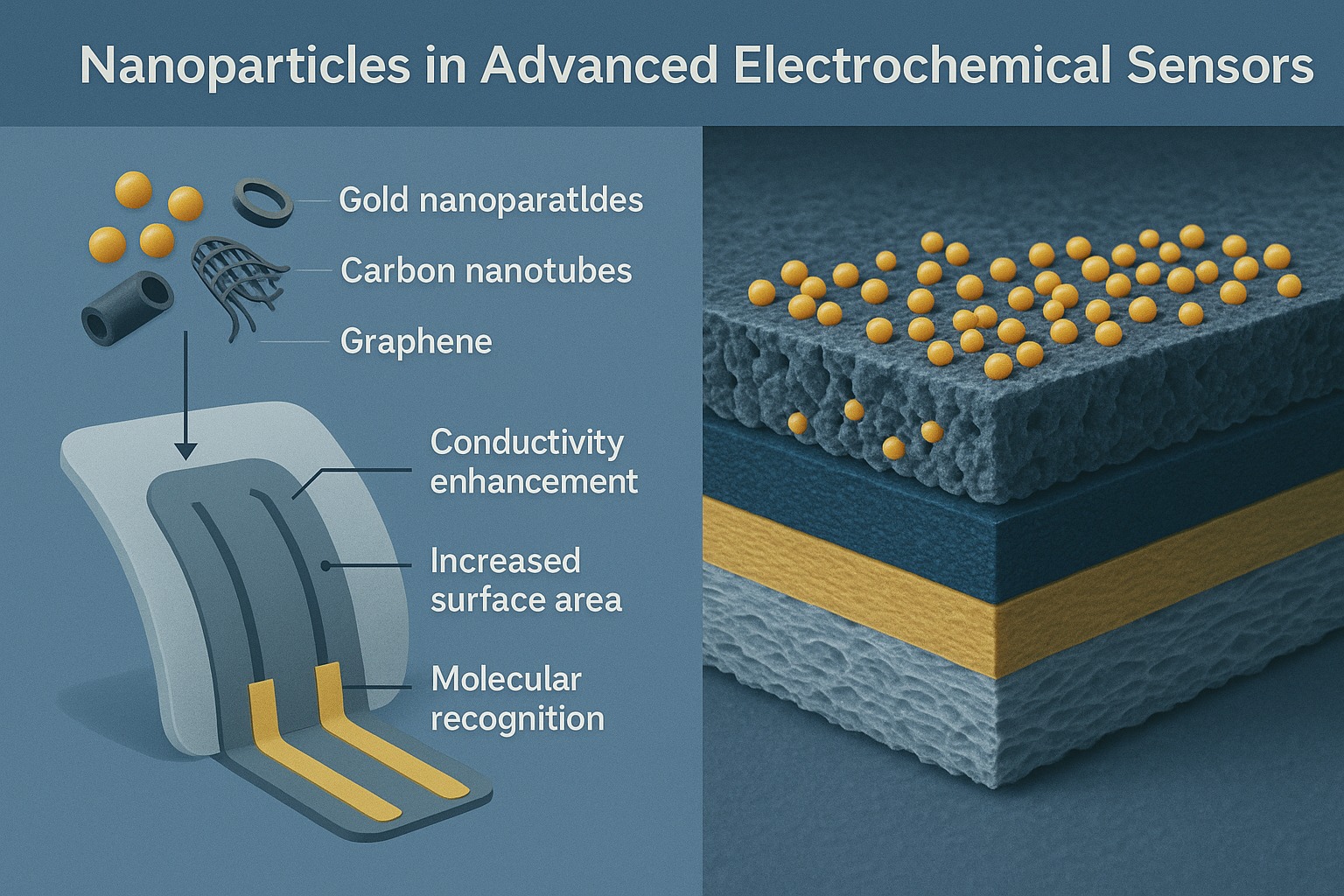
Promise vs. Hype: The Role of Nanomaterials in Electrochemical Sensing
Nanomaterials enable highly sensitive, flexible electrochemical sensors, but real-world success hinges on scalability and durability. Alphaion bridges this gap with printable, wearable platforms for clinical and industrial applications.
Module 14 · Part 1
Module 14: Module 14
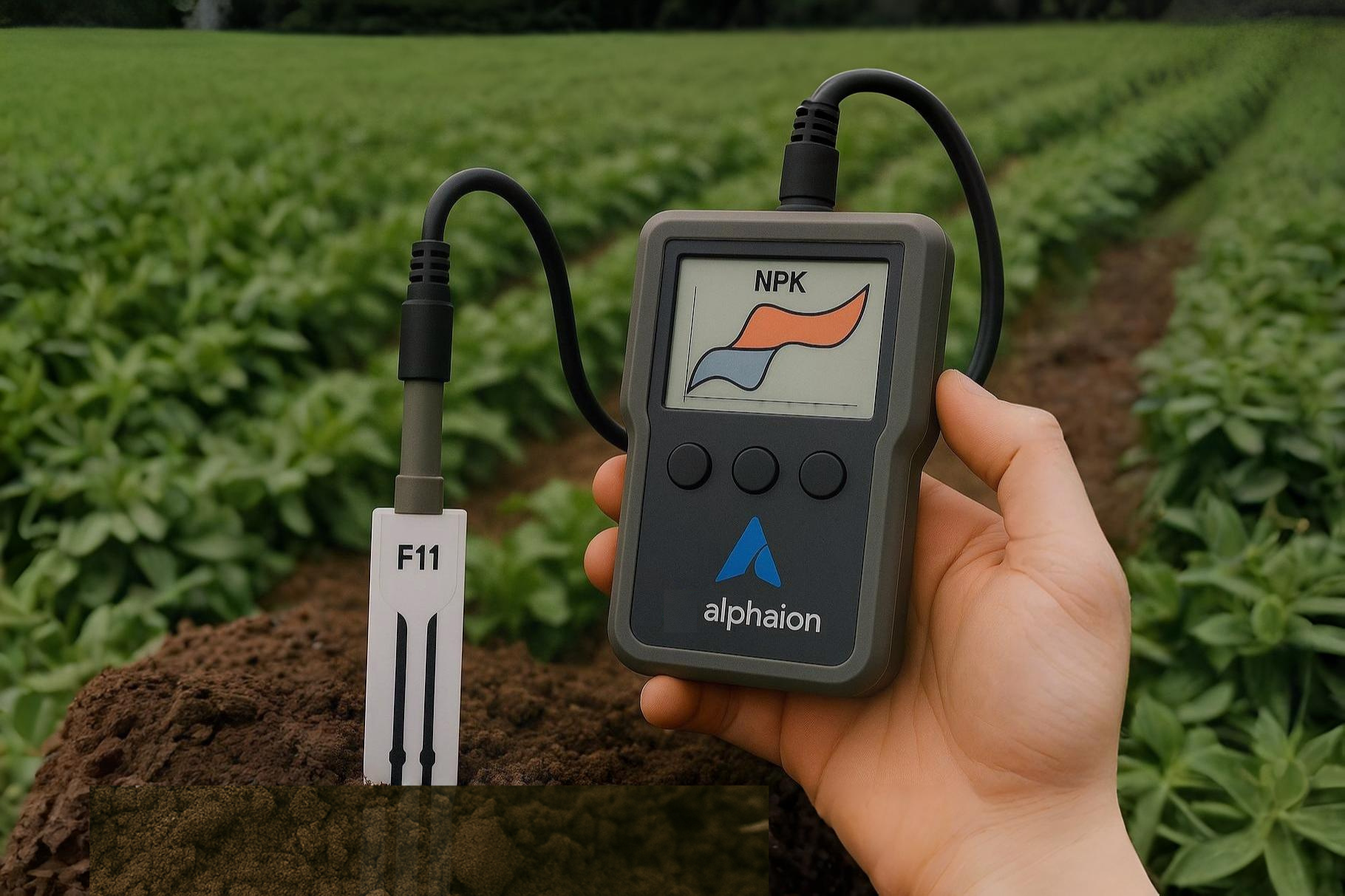
NPK Sensors: Measuring Fertilizer Efficiency and Reducing Environmental Impact
Detect NPK in real time with our screen printed electrode—boost yields, save costs, and enable smarter, eco-friendly farming decisions.
Module 15 · Part 1
Module 15: Module 15
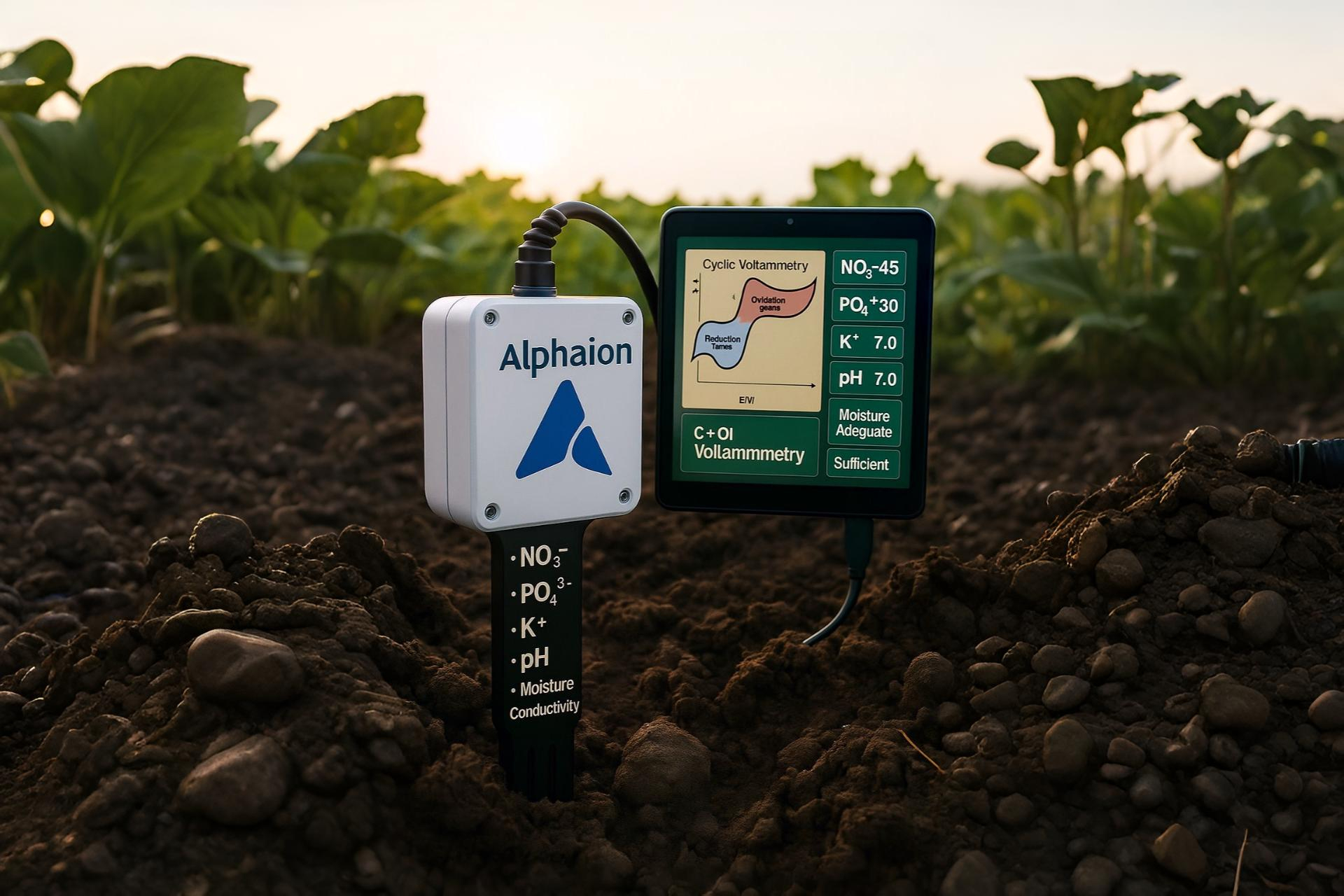
Real-time Soil Nutrient Monitoring: The Future of Precision Farming
Alphaion's precision sensors transform agri-solutions, enabling real-time soil nutrient monitoring for sustainable, data-driven farming.
Module 16 · Part 1
Module 16: Module 16
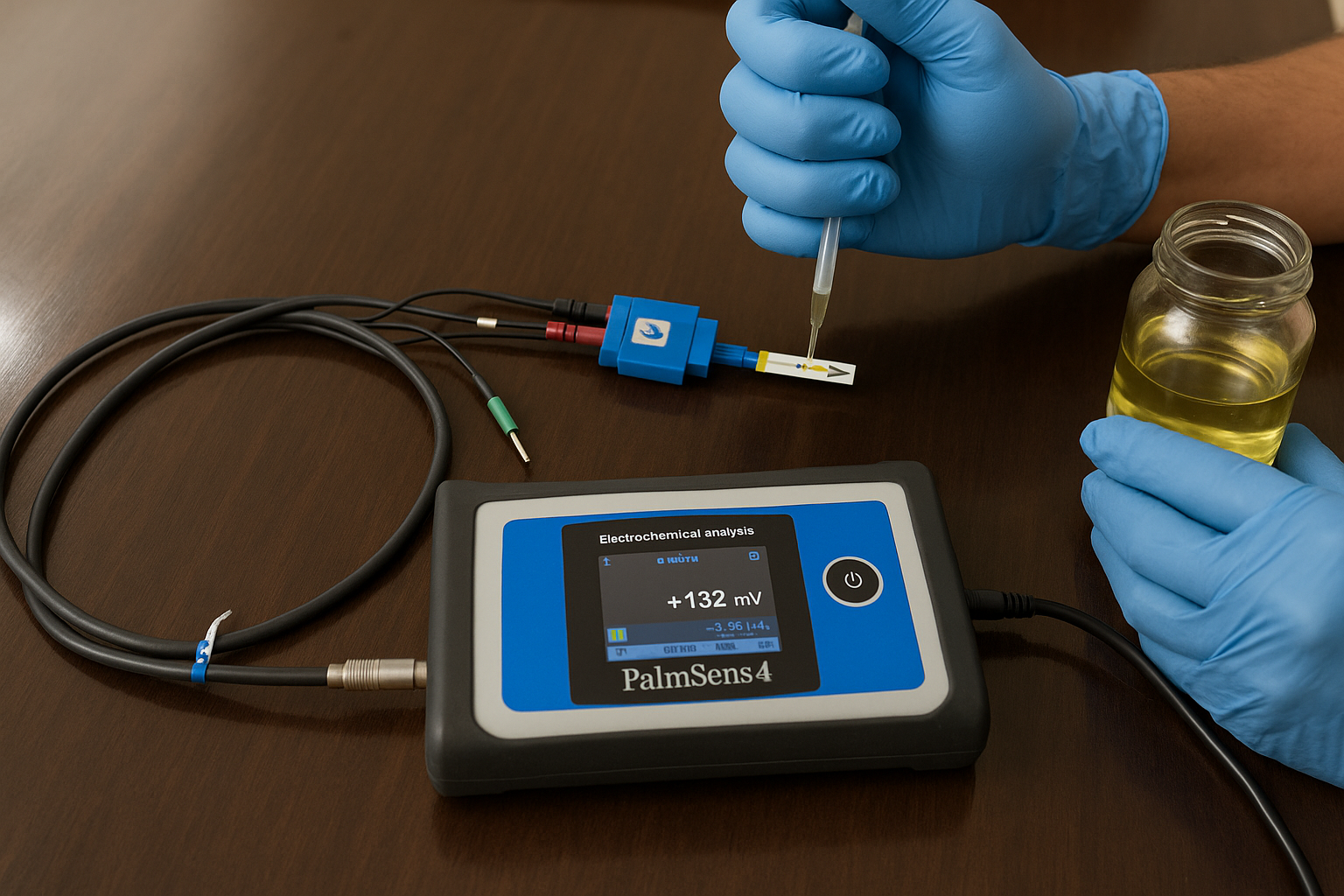
Printed Electrodes for the Diagnosis of Viral Infections
Printed electrochemical sensors enable rapid, low-cost virus detection, supporting research and real-time diagnostics, especially in remote and pandemic-prone areas.
Module 17 · Part 1
Module 17: Module 17
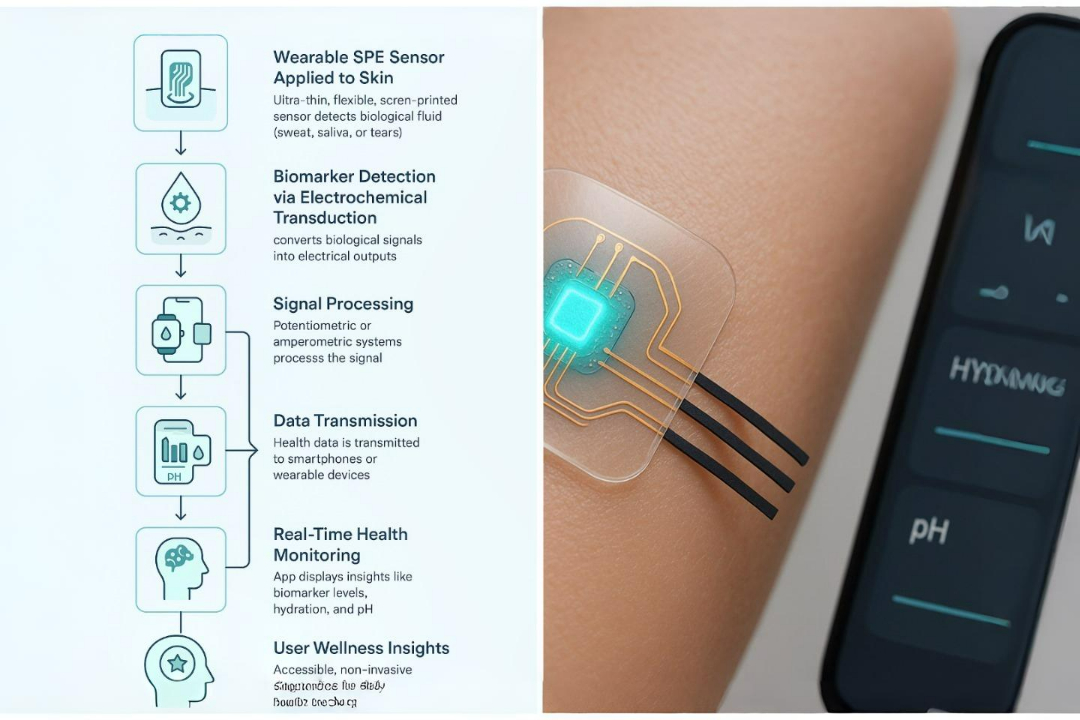
How Printed Electrodes Enable Non-Invasive Monitoring
"Track your health painlessly with wearable screen-printed electrodes that analyze sweat or saliva in real-time—bringing lab-level diagnostics to your skin, powered by Alphaion’s smart, sustainable sensor technology."

Module 18 · Part 1
Module 18: Module 18
Detecting Pesticide Residues in Fruits and Vegetables Using SPE-Based Sensors
Alphaion’s smart SPE sensors enable real-time, on-site pesticide detection—ensuring fresh produce stays clean, safe, and toxin-free from farm to fork.
Module 19 · Part 1
Module 19: Module 19
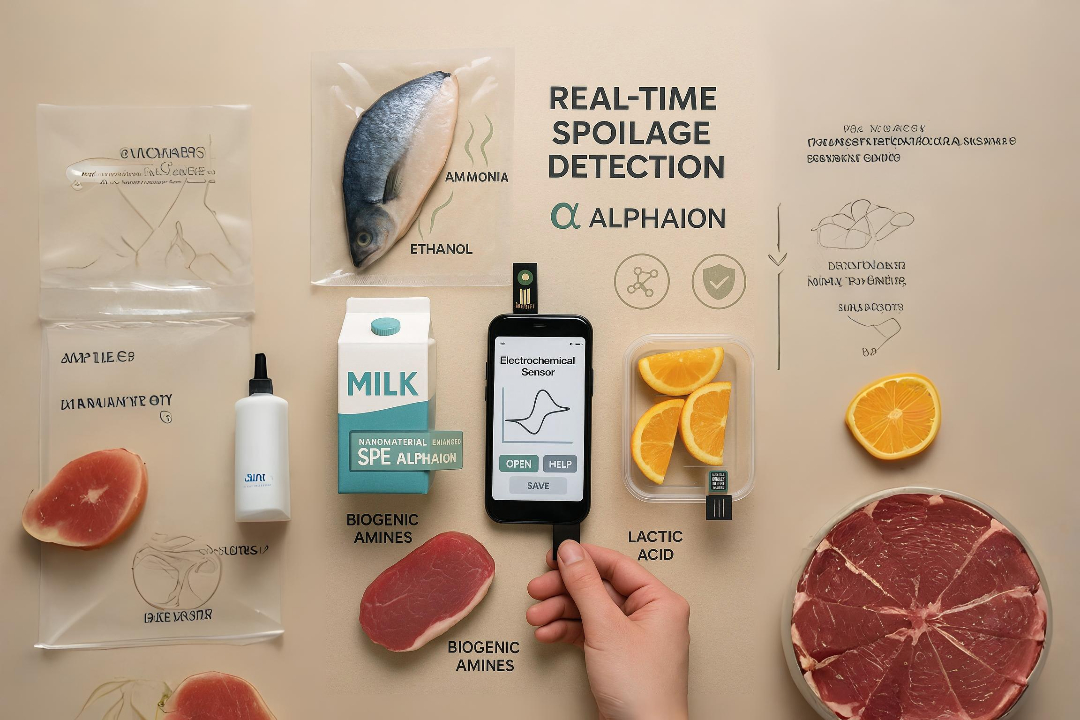
Real-Time Monitoring of Food Spoilage Through Electrochemical Sensors
Alphaion’s SPE sensors enable real-time, non-invasive detection of spoilage markers—ensuring freshness, safety, and transparency across perishable food supply chains.
Module 20 · Part 1
Module 20: Module 20
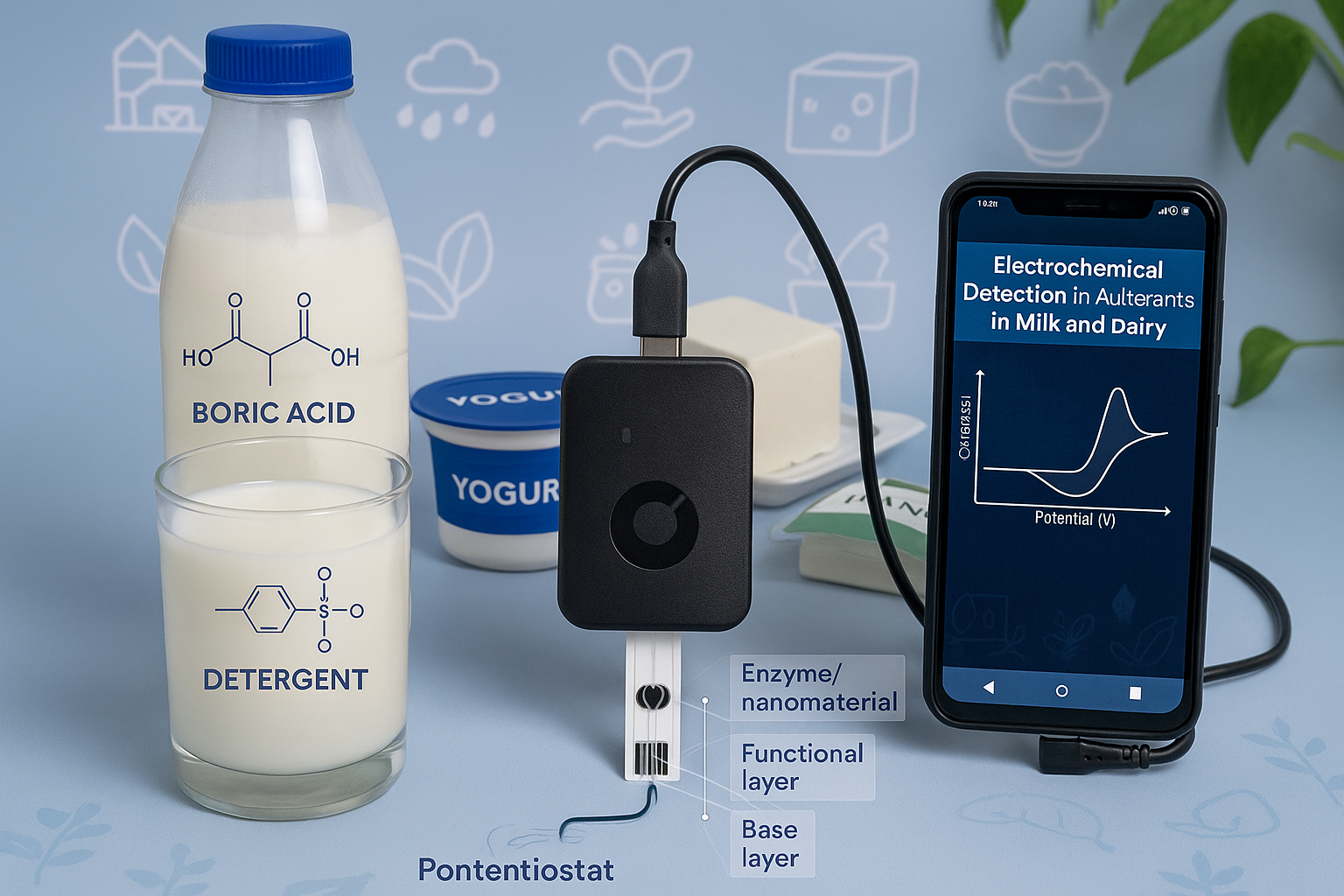
Electrochemical Detection of Adulterants in Milk and Dairy Products
Smart SPE sensors enable rapid, molecular-level detection of milk adulterants, ensuring dairy purity through real-time, on-site, and scalable electrochemical diagnostics.

Module 21 · Part 1
Module 21: Module 21
Ensuring Honey Purity: Electrochemical Techniques for Detecting Sugar Adulteration
Electrochemical sensors ensure honey purity by detecting sugar adulterants, enabling safer, real-time quality checks from farm to consumer.
Module 22 · Part 1
Module 22: Module 22
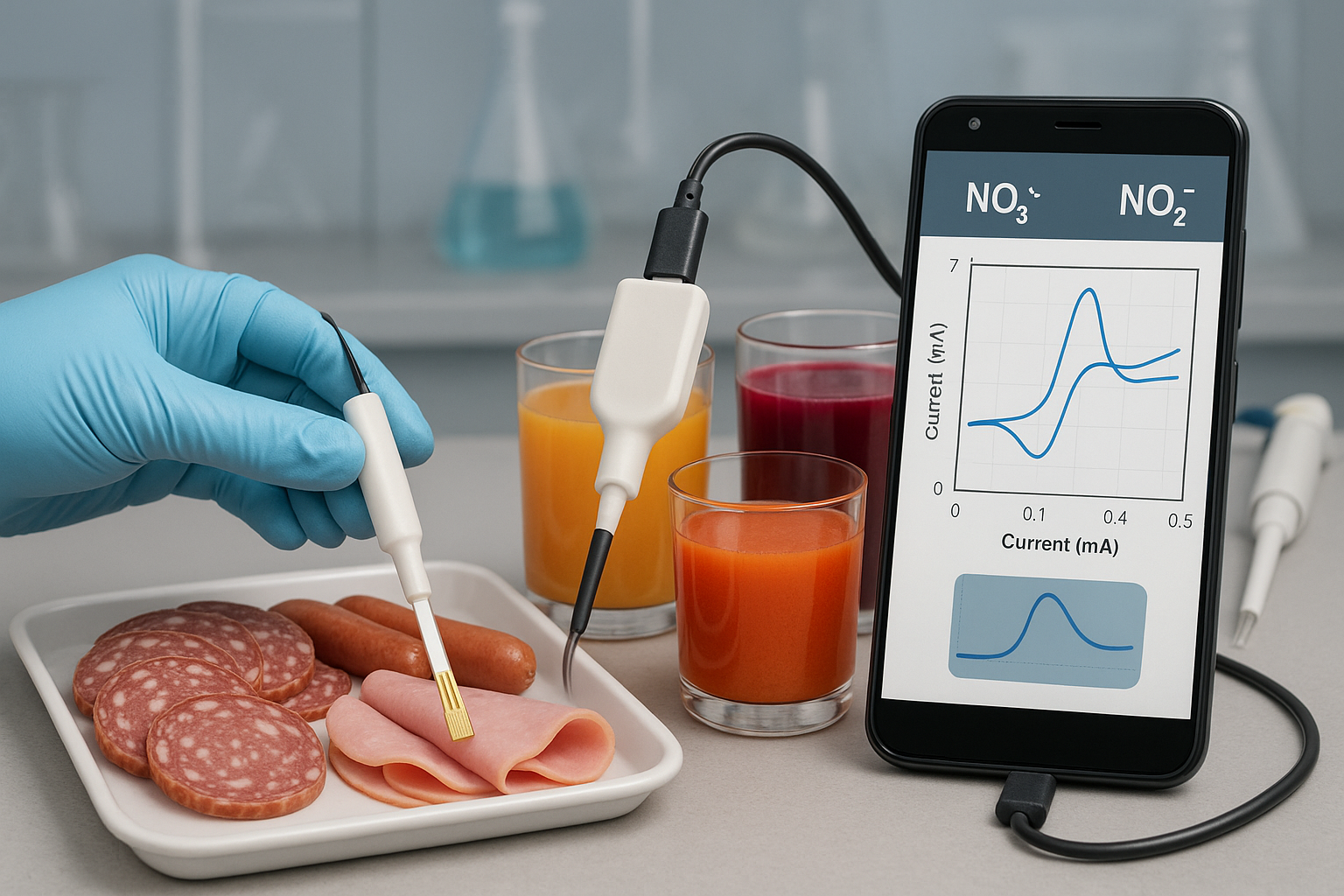
Nitrate and Nitrite Sensing in Processed Meats and Juices Using SPEs
Detect harmful nitrates and nitrites in food with rapid, on-site testing using Alphaion’s innovative, scalable screen-printed electrochemical sensor technology.

Module 23 · Part 1
Module 23: Module 23
Screen-Printed Electrodes in Food Packaging: Toward Intelligent and Interactive Labels
Alphaion’s smart packaging sensors use SPE technology to track food freshness in real time—reducing waste and ensuring safer consumption.

Module 24 · Part 1
Module 24: Module 24
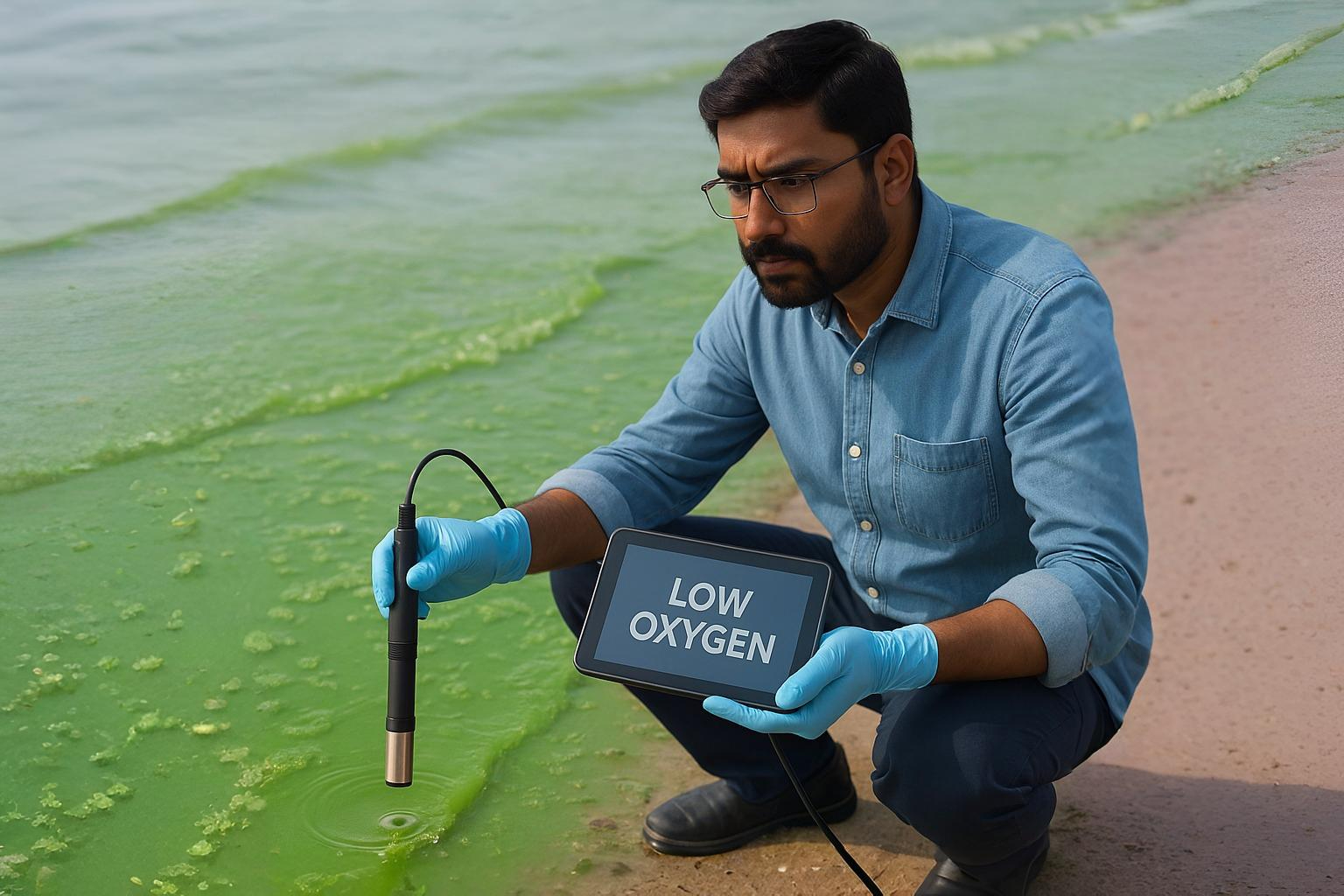
Detecting Heavy Metal Contamination in Seawater
Alphaion’s advanced screen-printed sensors enable real-time, on-site detection of toxic metals in seawater—empowering faster decisions, protecting marine ecosystems, and supporting sustainable ocean monitoring with cost-effective technology.
Module 25 · Part 1
Module 25: Module 25
Monitoring Dissolved Oxygen and pH in Coastal Ecosystems
Alphaion’s printed electrochemical sensors offer real-time, scalable monitoring of pH and dissolved oxygen—empowering precise, eco-friendly tracking of ocean health, acidification, and hypoxia across diverse marine environments.

Module 26 · Part 1
Module 26: Module 26
Real-time Detection of Algal Blooms (Harmful Algae)
Real-time SPE sensors detect harmful algal blooms early, protecting marine life, seafood safety, and coastal communities from escalating toxic threats.

Module 27 · Part 1
Module 27: Module 27
HOW BIOFLUIDS WORK AS DATASET?
Biofluids such as sweat, saliva, and urine carry continuous signals about the body’s health. With Alphaion’s electrochemical platform, these signals are easily captured and transformed into clear, actionable insights—enabling innovators to focus on chemistry while delivering simple, non-invasive, and personalized health monitoring.

Module 28 · Part 1
Module 28: Module 28
IS YOUR WATER BPA FREE?
BPA is a hidden chemical risk in drinking water that cannot be detected by taste or sight. Alphaion’s electrochemical sensing solutions enable precise BPA detection, helping ensure safer water through accurate, reliable, and real-world monitoring.

Module 29 · Part 1
Module 29: Module 29
WATER OR VENOM?
Clear doesn’t mean safe. Invisible pathogens can exist in water long before symptoms appear. Alphaion’s SPE-based sensing technology enables rapid, accurate detection—turning unseen risks into actionable insights for safer water.
Module 30 · Part 1
Module 30: Module 30
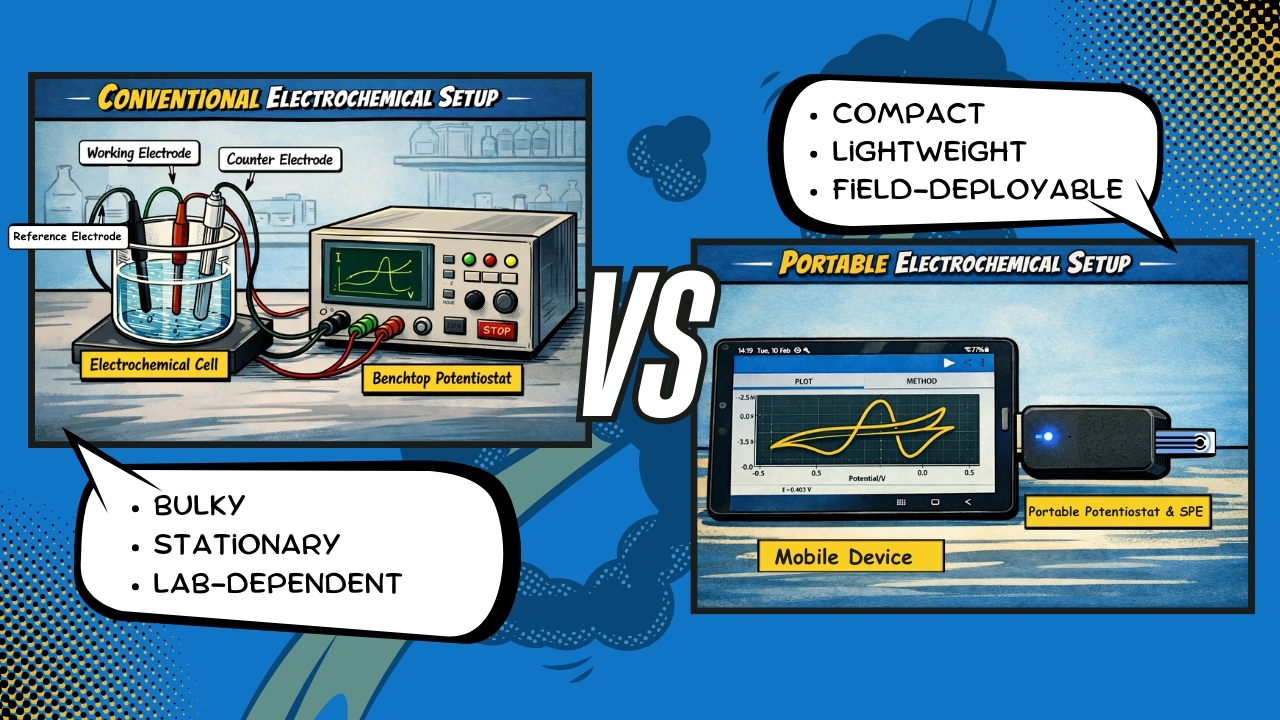
Evolution of Electrochemical Sensing Method
Electrochemical sensing has evolved from complex laboratory-based systems to compact, portable technologies that enable rapid and accurate chemical analysis. This blog explores the fundamentals of electrochemical sensing, the transition from conventional setups to screen-printed electrode–based portable systems, and how modern designs are shaping real-world applications.